

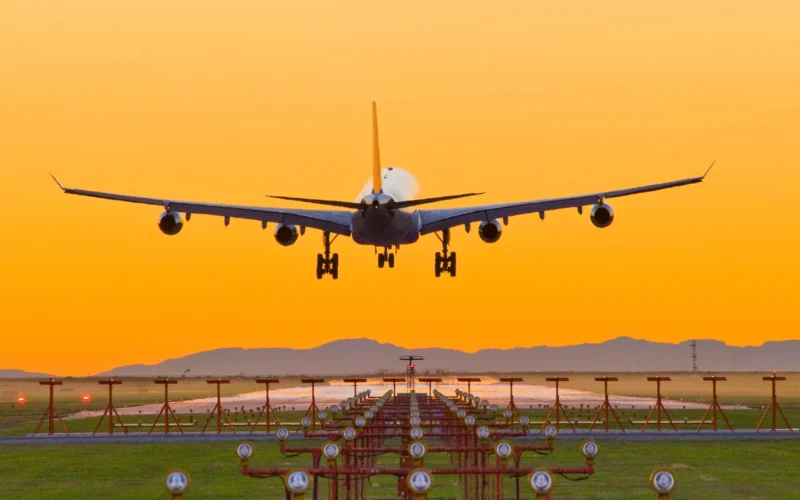
Washington (Rajeev Sharma): The United States is intensifying economic pressure on Iran, with Treasury Secretary Scott Bessent warning that Iranian airlines could effectively lose access to international aviation services from September 23.
Bessent said foreign companies that continue providing essential services to Iranian carriers could themselves face US sanctions. The warning covers services including aircraft refuelling, landing arrangements and ticket sales. The measures form part of Washington’s wider Operation Economic Outcast, which is aimed at restricting Iran’s access to international financial and commercial networks. The US Treasury had already announced sanctions targeting Iran’s remaining airlines and other entities connected to its aviation sector earlier this month.
The latest move comes as the wider US-Iran confrontation continues to affect diplomacy, regional security and international trade.
Diplomatic efforts gain attention
The conflict is also expected to feature prominently during the ongoing UN General Assembly meetings in New York.
Iranian President Masoud Pezeshkian is expected to travel to New York, while Foreign Minister Abbas Araghchi has already arrived, according to Iranian state media reports. At the same time, officials from Gulf countries have been calling for greater direct dialogue between Iran and its Arab neighbours.
UAE presidential adviser Anwar Gargash has argued that regional security discussions should involve Arab states as well as Iran and the United States. Qatar has similarly promoted stronger economic links between Iran and Gulf countries as a potential way of supporting regional stability.
Qatar has also said it is working to facilitate discussions between Washington and Tehran.
Tensions spread to Yemen and the Gulf
The conflict is also having consequences beyond Iran’s borders. In Yemen, Iran-aligned Houthi forces are seeking to strengthen their position in strategically important areas, while the security situation around the Strait of Hormuz remains tense.
Commercial shipping has already been significantly affected. Recent data showed that only 17 commodity vessels crossed the Strait of Hormuz over one weekend, compared with 37 the previous week and a pre-conflict average of roughly 125 vessels per day.
Reports of incidents involving commercial tankers have added to concerns among shipping operators. One tanker was reportedly struck by debris from unidentified projectiles while leaving the strait, while another vessel entering the waterway was hit by an unidentified projectile. Two crew members were reported to have suffered minor injuries.
Pressure on Iran’s aviation sector
The proposed airline restrictions could have consequences well beyond Iranian carriers themselves. Airlines require fuel suppliers, airports, ground-handling companies, ticketing networks and financial institutions to maintain international operations.
Bessent warned that companies providing such services could risk losing access to the US dollar financial system. The threat of secondary sanctions could therefore make international businesses more reluctant to deal with Iranian airlines.
The aviation measures add another layer to Washington’s broader campaign against Iran’s financial, shipping and commercial networks.
With diplomatic activity increasing at the UN and disruptions continuing around major regional shipping routes, the latest US sanctions have added further pressure to an already fragile economic and security situation in the Middle East.
