

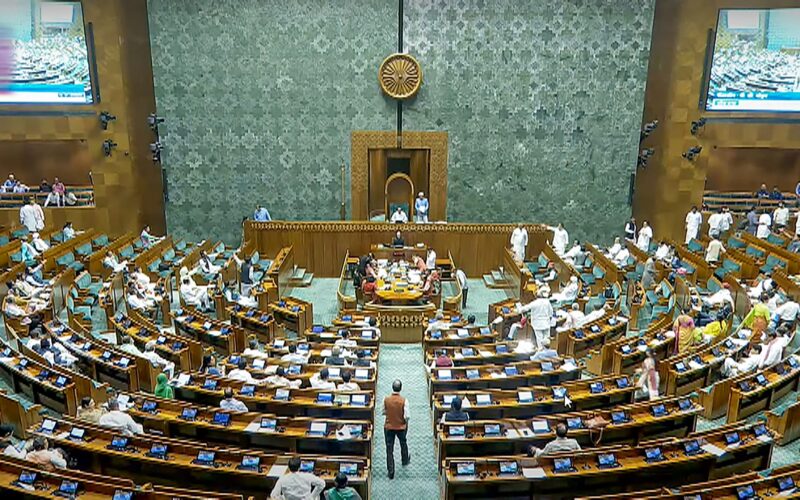
New Delhi (Gurpreet Singh): The Lok Sabha has passed the Public Examination (Prevention of Unfair Means) Amendment Bill, 2026, following a lengthy legislative debate that extended over two days. The bill, aimed at strengthening the legal framework against test leaks and cheating in competitive examinations, was approved following a concluding address by Union Minister Jitendra Singh, who addressed both the statutory changes and political objections raised by the opposition.
Under the amended legislation, penal measures for individuals engaging in illicit examination practices have been heightened, with minimum prison sentences set at five years and maximum terms extending to ten years, alongside fines reaching up to 50 lakh rupees. Service providers found complicit in examination malpractices face penalties up to 5 crore rupees and an eight-year ban on conducting public tests. The law further targets organized crime syndicates, establishing minimum tenures of seven years’ imprisonment and fines up to 10 crore rupees. To expedite legal proceedings, the act mandates the creation of a Special Task Force to conclude investigations within two months, alongside designated Special Fast Track Courts tasked with finishing trials within three months of charge sheet filings.
During his parliamentary address, Union Minister Jitendra Singh addressed remarks made by Leader of the Opposition Rahul Gandhi, criticizing the tone and language used during the proceedings. Singh refuted allegations surrounding police action against student demonstrators in New Delhi, clarifying that live ammunition was not deployed and emphasizing that crowd control decisions remain under the jurisdiction of local administrative magistrates. He also addressed opposition demonstrations outside the Prime Minister’s residence, characterizing the actions as politically motivated.
Earlier in the debate, Rahul Gandhi expressed strong opposition to the bill, alleging that the country’s public education structure is increasingly subject to institutional influence and privatization. Gandhi reiterated calls for political accountability regarding recent administrative lapses, claiming that core ministerial decisions were being shaped by external influence rather than formal departmental leadership. Despite the sharp pushback from opposition ranks, the treasury benches successfully secured the necessary support to pass the measure.
