

New Delhi (Rajeev Sharma): The student-led movement over the alleged NEET-UG paper leak has emerged as more than just a campaign for examination reforms. Beyond the policy changes and political developments it triggered, the protest appears to have influenced the way the Union government is communicating with India’s youngest generation.
The agitation at Delhi’s Jantar Mantar, driven largely by Gen Z students, culminated in a series of significant decisions, including the resignation of Union Education Minister Dharmendra Pradhan, the announcement of tougher anti-paper leak measures, and the formation of a high-level committee to recommend reforms in the country’s examination system.
Alongside these developments, another noticeable change has caught the attention of political observers—the government’s increasing reliance on social media, particularly Instagram, to communicate major announcements.
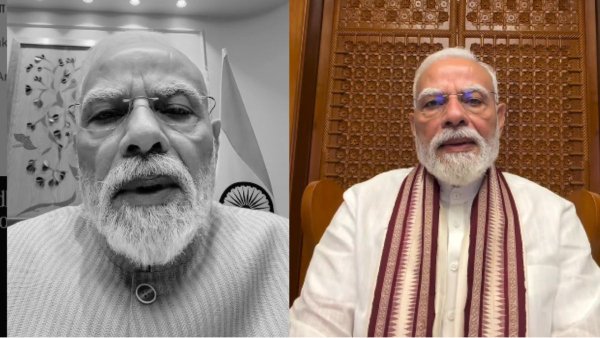
In a departure from traditional practice, Prime Minister Narendra Modi recently shared three selfie-style video messages on Instagram within a single week, using the platform to outline the Centre’s plans for examination reforms. Instead of addressing the nation through a televised speech or limiting announcements to official statements and posts on X, the Prime Minister opted for a format that is more familiar to younger audiences who consume information through short-form digital content.
The videos highlighted key initiatives, including the establishment of fast-track courts to handle examination-related offences, plans for stronger legislation against paper leaks, and the creation of a task force under technology expert Nandan Nilekani to recommend measures for improving transparency and credibility in public examinations.
The communication strategy has drawn attention because it reflects the growing influence of digital platforms in shaping public engagement. During the NEET protests, updates, speeches, photographs and videos circulated rapidly across social media, enabling the movement to reach millions of people within hours. The campaign’s visibility was driven not only by television coverage but also by students themselves, who documented developments and shared them online in real time.
Analysts say this marks an important shift in political messaging. For a generation that increasingly relies on Instagram, YouTube and other digital platforms for information, governments and political leaders are adapting their outreach to meet audiences where they are most active.
The change also underscores the expanding role of Gen Z in influencing public discourse. Young citizens are no longer merely participants in political conversations but are shaping how those conversations are conducted. Their ability to amplify issues through social media has made digital platforms an essential space for governance, public engagement and crisis communication.
While the government’s policy decisions remain focused on restoring confidence in the examination system, its evolving communication style suggests a broader recognition of changing public expectations. Reaching citizens today is no longer confined to press conferences or televised addresses; it increasingly requires direct engagement through the platforms that dominate everyday life.
As the country continues to debate examination reforms, the NEET movement may ultimately be remembered not only for prompting administrative action but also for accelerating a transformation in the way political leadership connects with India’s digital-first generation.
