

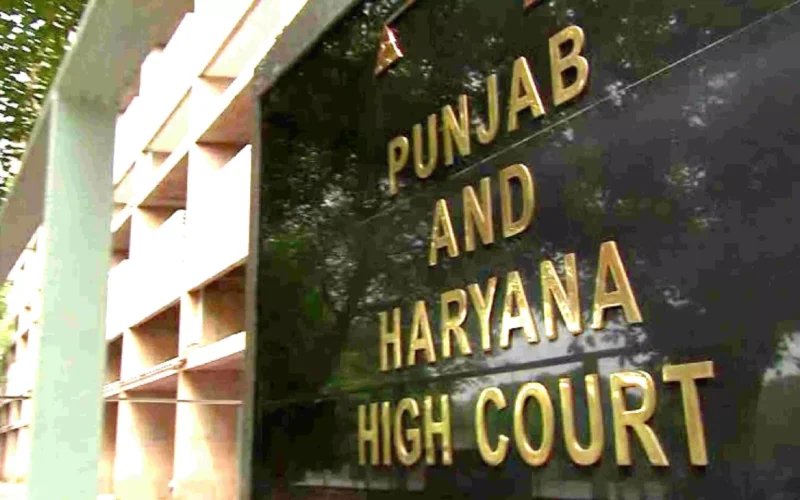
Chandigarh (Gurpreet Singh): In a major administrative shift aimed at conserving fuel amid rising global energy concerns, the Punjab and Haryana High Court has rolled out fresh measures designed to reduce unnecessary travel and strengthen digital court functioning.
The court has directed wider use of virtual hearings, encouraging judicial proceedings to be conducted through video conferencing wherever possible. Officials have been instructed to ensure smooth technical arrangements so that lawyers and litigants face no disruption during online appearances.
Registrars have been asked to circulate virtual hearing links in advance and provide immediate technical support if any connectivity issues arise during proceedings.
The initiative is part of a broader strategy to lower dependence on petrol and diesel while maintaining uninterrupted judicial work.
As part of the conservation drive, judges have also been advised to consider shared transportation while commuting to the court complex. The administration believes coordinated travel arrangements could significantly reduce fuel usage over time.
Administrative functioning within the High Court has also been restructured. In departments where digital operations are practical, nearly 33 percent of employees may now work remotely.
However, court officials clarified that this flexibility will only apply where efficiency remains unaffected, and sufficient staff presence will be maintained for essential tasks.
Employees assigned remote duties must remain reachable during working hours and be prepared to report physically to the court if required at short notice.
To monitor the effectiveness of these changes, Registrars have been assigned the task of conducting weekly performance reviews. They will prepare duty schedules, evaluate workflow efficiency and recommend adjustments wherever necessary.
The High Court has further stated that if work-from-home arrangements lead to delays or operational difficulties in any section, the facility may be modified or withdrawn after approval from the Registrar General.
Legal experts have described the move as a timely response to rising fuel costs and a practical example of how public institutions can adapt through digital transformation while ensuring continuity in essential services.
