

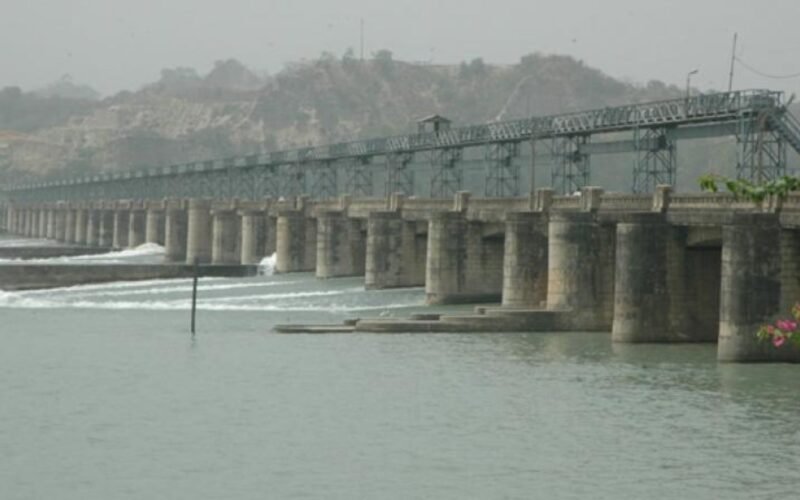
Chandigarh (Gurpreet Singh): The 2025-26 agricultural year has marked a historic turning point for the Doaba region as the strategic revival of the Bist Doab Canal network triggered a massive 167 per cent expansion in irrigated land. Under the direction of the Bhagwant Mann administration, the network has successfully added 110,762 acres to its total command area, effectively breathing new life into a vital agricultural lifeline that had long been neglected. This surge represents a major shift in the province’s approach to resource management, prioritising the use of surface water to support the agrarian backbone of the region while reducing the strain on depleting groundwater reserves.
The rejuvenation efforts, which originate from the Ropar Headworks, have successfully addressed chronic water shortages across the districts of Jalandhar, Kapurthala, Shaheed Bhagat Singh Nagar, and parts of Hoshiarpur. A particularly significant milestone in this project is that nearly 19,213 acres of farmland received canal water for the first time in history. For many farmers in these areas, the arrival of a steady and efficient water flow means a definitive move away from the high costs and inherent unreliability associated with erratic rainfall and expensive tube-well irrigation.
Beyond traditional field channels, the project has reinforced the lift irrigation system via the Kathgarh scheme in the Balachaur region. Strategic infrastructure strengthening has been witnessed in areas including Banga, Mukandpur, Apra, and Nurmahal, alongside improved distribution in Malsian, Nakodar, and Adampur. Furthermore, the canal’s restoration is providing an unexpected boost to urban infrastructure. The Jalandhar branch has been allocated an additional 150 cusecs of water to bolster the city’s potable water supply, allowing the local municipal corporation to scale back its reliance on groundwater and foster a more sustainable utility framework for its residents.
This transformation of the Bist Doab Canal is more than a technical upgrade; it is a foundational change for the future of Punjab’s agricultural landscape. By modernising distribution networks and ensuring water reaches the “last mile” of every distributary, the government is securing livelihoods and fostering resilience for future generations. The project stands as a testament to the commitment of the state to sustainable water management and agricultural productivity, ensuring that a critical resource is managed with the foresight required for long-term environmental stewardship.
