

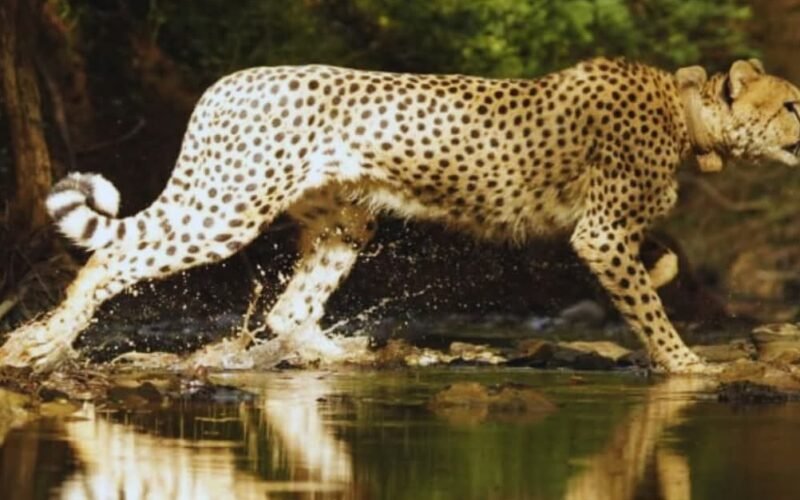
New Delhi (Rajeev Sharma): Prime Minister Narendra Modi on Thursday extended greetings on International Cheetah Day, celebrating India’s recent strides in re-establishing the world’s fastest land animal on Indian soil. In a message shared on social media, he lauded wildlife enthusiasts, conservation teams and local communities for contributing to what he described as a revival of “lost ecological heritage.”
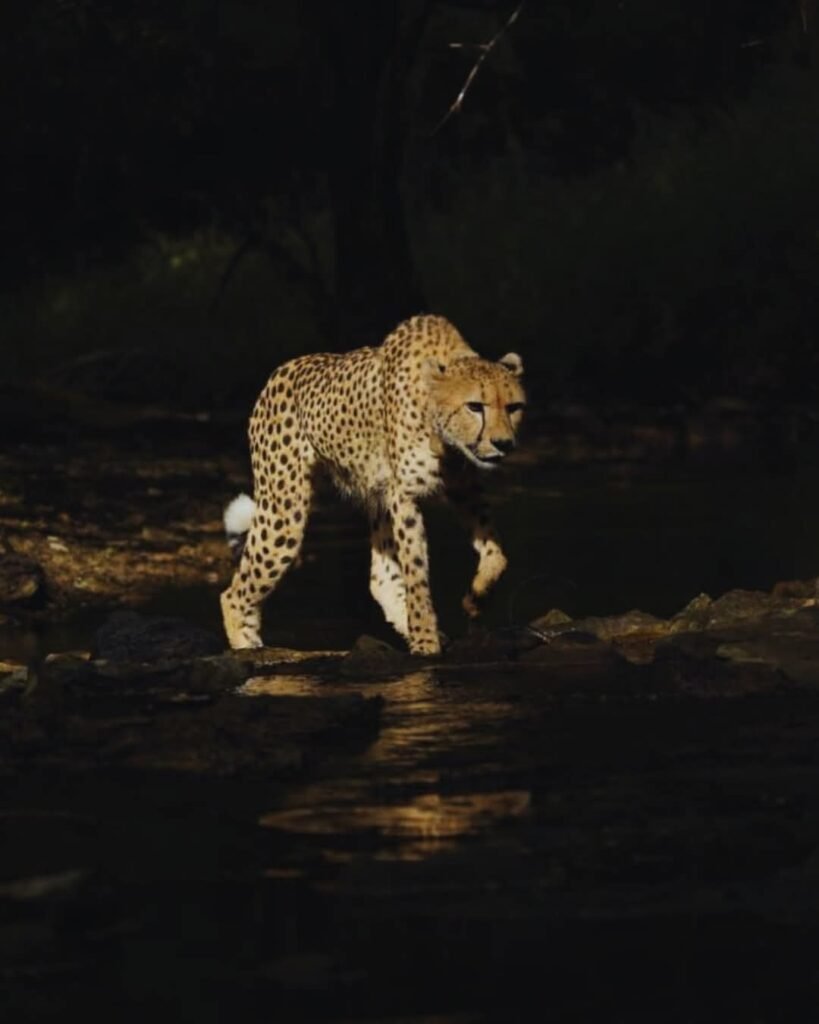
Modi recalled that it has been three years since the Centre launched Project Cheetah, a flagship initiative aimed at reintroducing the species to India after it vanished from the subcontinent decades ago. He said the programme was envisioned not only to safeguard the animal but also to restore the natural landscapes essential for its survival.
Cheetah population grows in Kuno and Gandhi Sagar
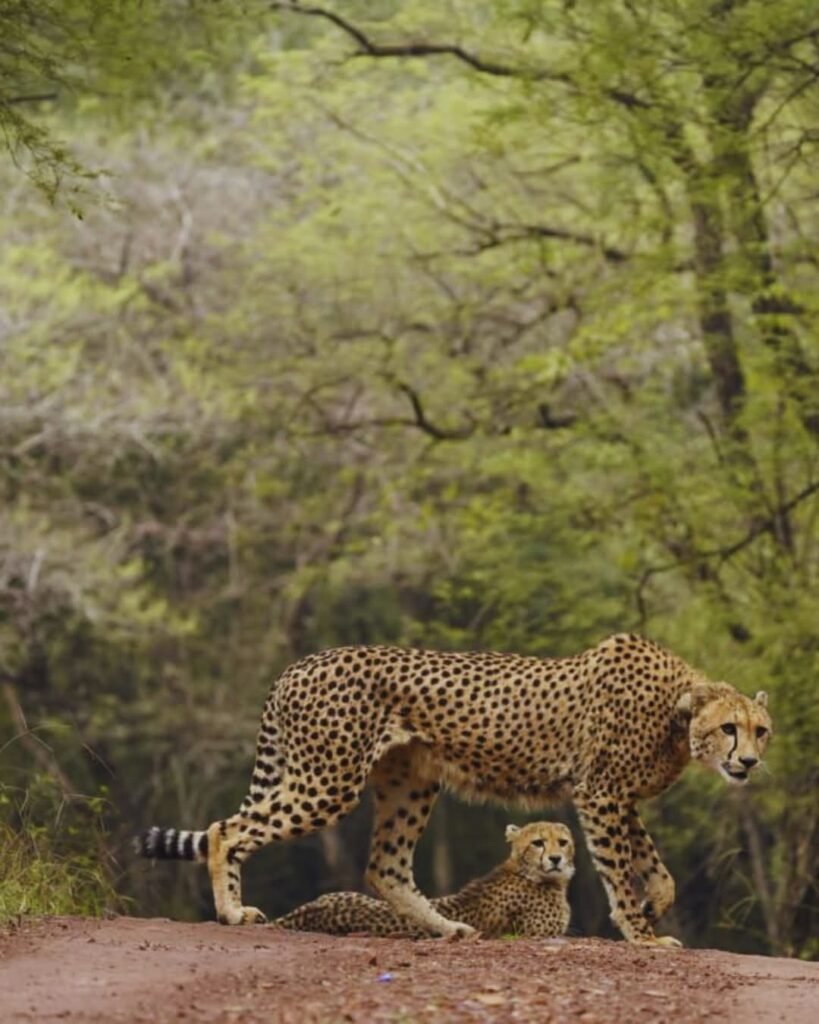
The Prime Minister noted that a growing number of cheetahs—some of them born in India—now inhabit Madhya Pradesh’s Kuno National Park and the Gandhi Sagar Sanctuary. Their presence, he said, reflects steady progress in habitat restoration and species management.
He also pointed to the rising curiosity around cheetah safaris, saying the increase in wildlife tourism is a positive sign for conservation. Modi encouraged nature lovers from within India and abroad to visit the reserves and observe the animals in their natural surroundings.
Praise for ‘Cheetah Mitras’
Modi credited the programme’s successes to the people working on the ground, including trained volunteers known as Cheetah Mitras. Their involvement, he said, embodies India’s cultural philosophy of coexisting with nature.
“Protecting wildlife and living in harmony with the environment are central to our civilisational values,” he said, adding that this commitment is evident in the way communities have stepped forward to support the cheetah reintroduction effort.
International Cheetah Day is observed each year to promote conservation of the vulnerable species. India’s attempt to establish a cheetah population has drawn global attention, positioning the country as a key player in long-term species recovery efforts.
