

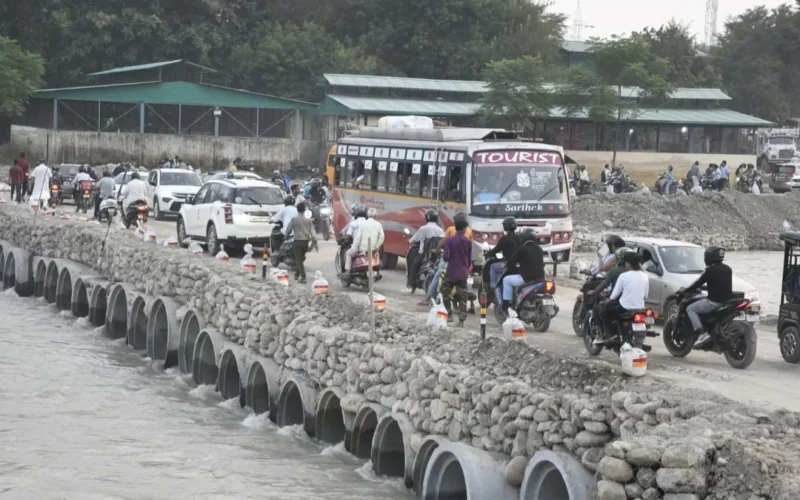
Dehradun (Rajeev Sharma): Months after devastating weather left scars across Uttarakhand’s road network, the state continues to struggle with the daunting task of restoring its lifelines. A total of 398 mountain roads that were damaged during the recent monsoon calamity still bear visible signs of destruction, with deep potholes and collapsed sections yet to be fully repaired.
While the state government had promised swift restoration, progress has been slower than anticipated. Of the 3,800 kilometers requiring urgent patchwork and repairs, only 600 kilometers—just 16%—have been restored so far.
CM’s Deadline Approaches, But Pace Lags
Chief Minister Pushkar Singh Dhami had set an ambitious goal of making all roads in the state pothole-free by October 31. However, with just over a month left, the sluggish pace of repairs raises serious concerns about meeting the target.
Sources within the Public Works Department (PWD), the primary agency handling the repairs, admit that natural challenges like ongoing landslides, rain disruptions, and lack of labor in remote areas have hampered progress.
Budget Shortfalls Continue to Stall Work
According to official estimates, the PWD requires Rs 6,300 crore to complete the entire restoration process. So far, only Rs 3,170 crore has been released, leaving a funding gap of Rs 3,130 crore. Officials say that unless additional funds are allocated quickly, several road segments may remain inaccessible well into the next season.
“We’re doing what we can with the resources available, but the scale of damage is massive,” said a senior PWD official, requesting anonymity. “If the weather holds and funding comes through, we can speed up, but time is running out.”
District-wise Progress: Doon Ahead, Nainital Lags
Among the worst-hit districts, Dehradun and Pauri top the list, with 126 and 110 damaged roads respectively. Dehradun has emerged as the most proactive, having completed about 28% of its patchwork. In contrast, Nainital—a critical tourist hub—has reported only 6% completion, raising alarm among locals and business owners dependent on road connectivity.
National highways, which serve as vital corridors for goods and emergency services, have also seen sluggish repair work, with many stretches still hazardous for travel.
Locals Frustrated, Tourists Cautious
In many parts of the hills, local residents say they are forced to navigate broken roads daily, with little clarity on when the situation will improve.
“We see some workers here and there, but actual progress is barely visible,” said Ramesh Bhatt, a shopkeeper in Rudraprayag. “The government makes promises, but in the end, it’s us villagers who suffer the most.”
Tour operators and hoteliers also worry that if roads remain in poor shape through October, it could impact Diwali tourism, a key revenue-generating season in the state.
