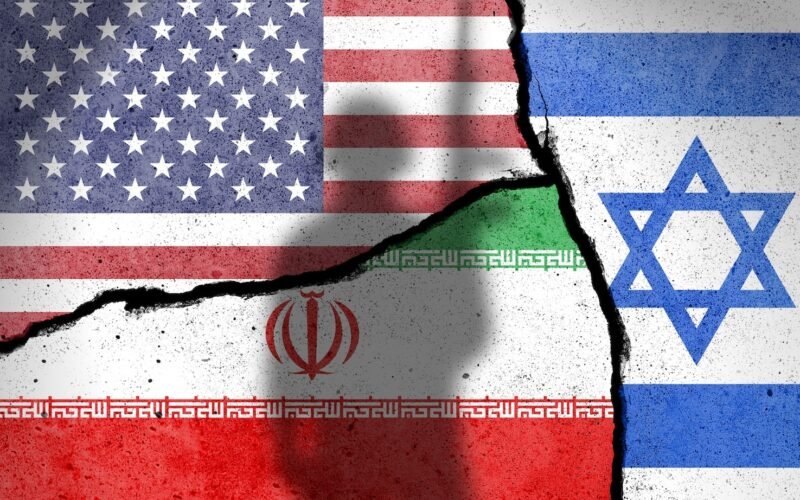
Islamabad (Rajeev Sharma): Fresh fault lines have surfaced ahead of the high-stakes US-Iran talks scheduled in Islamabad, raising doubts over the start of negotiations. While US Vice-President JD Vance signalled readiness for dialogue, Iran’s Parliament Speaker Mohammad-Bagher Ghalibaf laid down firm preconditions, complicating the diplomatic landscape.
Departing for Pakistan, Vance adopted a cautious yet firm stance, stating that Washington remained open to engagement if Tehran demonstrated “good faith.” He reiterated that the United States was willing to extend an open hand but warned that any attempt to mislead negotiations would be met with resistance.
However, Iran indicated that talks may not proceed unless key demands are met beforehand. Ghalibaf asserted that a ceasefire in Lebanon and the release of Iran’s blocked financial assets must be implemented prior to any formal discussions, setting a challenging tone for the proposed dialogue.
The situation on the ground continues to remain tense. Israeli airstrikes reportedly targeted areas near a State Security agency office in Nabatieh, Lebanon, causing significant damage and injuries. Israel claimed to have struck over 120 Hezbollah-linked sites in the past 24 hours, while Hezbollah responded with a series of retaliatory attacks, further escalating hostilities.
These developments come amid Pakistan’s efforts to position itself as a mediator by hosting the “Islamabad Talks.” Authorities have introduced visa-on-arrival facilities for delegates and journalists and ensured high-level security arrangements in the capital’s Red Zone to facilitate the engagement.
The talks are unfolding against the backdrop of a fragile two-week ceasefire between the US and Iran, following weeks of intense conflict that disrupted global energy markets. Concerns have also intensified around the strategic Strait of Hormuz, with Iranian warnings of potential restrictions on shipping routes drawing sharp reactions from US President Donald Trump.
With senior delegations expected from both sides, the negotiations are likely to extend beyond ceasefire stabilisation to broader issues such as sanctions, nuclear policy, and regional security. However, conflicting demands and ongoing military actions indicate that reaching a breakthrough will remain a significant challenge.
As global attention turns to Islamabad, the coming days will determine whether diplomacy can ease tensions or further deepen divisions in an already volatile region.
US-Iran Talks in Islamabad Face Uncertainty as Pre-Conditions and Tensions Mount
 0 Comments