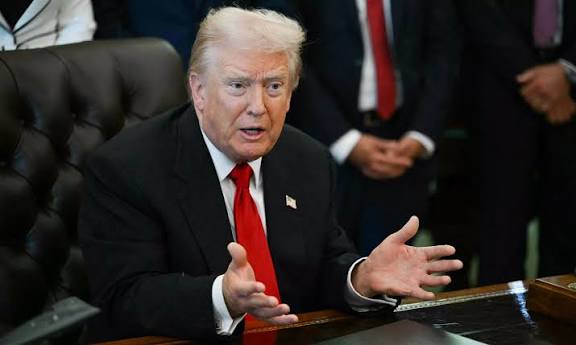
Washington D.C., November 7 — The Trump administration has rolled out new visa guidelines that could deny entry to foreign applicants suffering from chronic or long-term health conditions. The move, aimed at reducing potential healthcare costs for the U.S., expands the scope of the existing “public charge” policy.
According to the updated rules, U.S. consular officers can now reject visa applications if the applicant or their dependents are deemed likely to require expensive medical care in the future. Conditions such as diabetes, obesity, heart disease, and certain neurological or mental health disorders fall under the new scrutiny.
Officials have been instructed to assess whether applicants possess enough financial means or insurance coverage to manage their health needs without relying on government assistance. The administration argues that the policy will help protect taxpayer money and ensure that only financially self-sufficient immigrants enter the country.
However, immigration experts and rights advocates have criticized the decision, calling it discriminatory and overly subjective. They argue that consular officers are not trained medical professionals and that the rule could unfairly impact people from low-income countries who already face barriers to healthcare access.
The new directive marks a significant tightening of America’s immigration and visa evaluation system, further reflecting the Trump government’s emphasis on economic self-reliance in its immigration policies.
Trump Administration Expands Visa Restrictions to Applicants with Chronic Illnesses
 0 Comments