

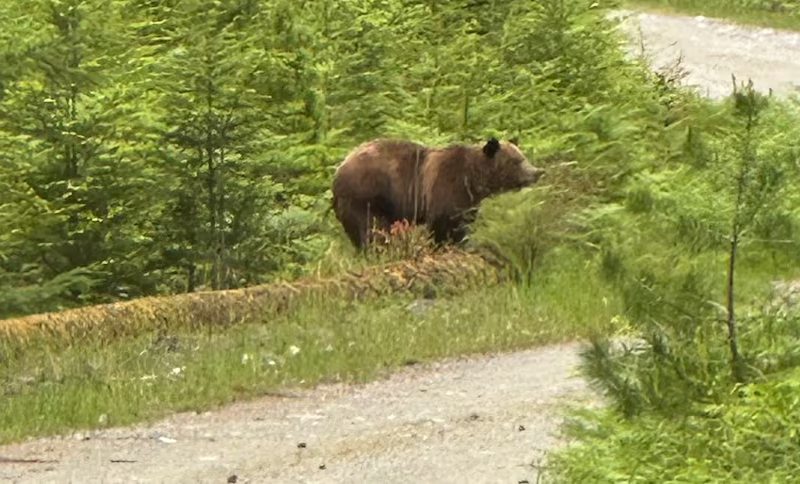
Vancouver (Rajeev Sharma): Two residents of Texada Island have been convicted and fined after failing to report the killing of a grizzly bear that sparked widespread controversy in the coastal B.C. community last year, according to the B.C. Conservation Officer Service.
Conservation officers said Kody Bevan and Seneca Antony were each fined $3,000 after pleading guilty to failing to promptly report the wounding or killing of a grizzly bear. The sentencing took place Thursday, following charges laid in September related to the bear’s death in July 2025.
The Conservation Officer Service confirmed that $4,000 from the total fines will be directed to the Habitat Conservation Trust Foundation. Authorities noted that the charges do not identify who was responsible for killing the bear.
The grizzly’s presence on Texada Island — B.C.’s largest Gulf Island, located nearly 100 kilometres northwest of Vancouver — had divided the community for weeks before its death. Residents disagreed over whether the animal, a five-year-old male nicknamed “Tex,” should be euthanized or allowed to remain on the island.
The bear had been relocated twice previously after being seen near schools and populated areas in Gibsons and Sechelt on the Sunshine Coast. After those relocations, including moves to areas along Jervis Inlet, the grizzly eventually swam to Texada Island, where it appeared to settle.
Before the animal was killed, provincial officials had released details of several encounters involving the bear, including reports of stalking residents on walking trails and chasing livestock. In one incident, two people were forced into the water while the bear remained on shore for an extended period.
CBC News later reported that local First Nations, working with provincial authorities, had developed a plan to relocate the bear once again to a remote coastal habitat where it would be less likely to return to populated areas. The bear was shot before that plan could be carried out.
Its death prompted grief and anger, particularly among Indigenous communities, and raised concerns about misinformation and heightened tensions on social media. Conservation officials have said public confusion and online speculation worsened divisions within the island’s population of roughly 1,000 residents.
The case remains a flashpoint in discussions about wildlife management, public safety and coexistence with large predators in areas unaccustomed to their presence.
