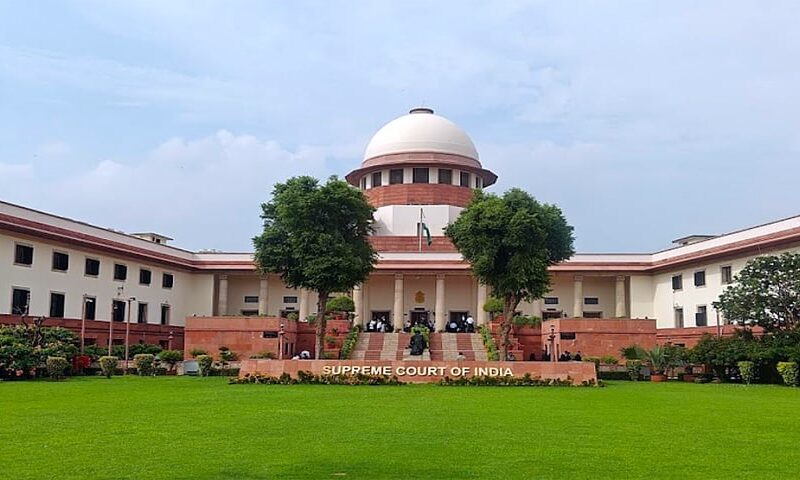
New Delhi, January 29, 2026: The Supreme Court on Thursday put on hold the implementation of the University Grants Commission’s recently notified regulations on equity in higher education, expressing concern over ambiguity in the provisions and the risk of their misuse. The court asked the Centre to reconsider and redraft the rules and scheduled the next hearing for March 19.
The regulations, notified by the UGC on January 13 as the “Promotion of Equity in Higher Education Institutions Regulations, 2026,” required universities and colleges to establish special committees, helplines and monitoring systems to prevent caste-based discrimination on campuses.
Under the framework, grievance redressal mechanisms were specifically mandated to address complaints from students belonging to Scheduled Castes, Scheduled Tribes and Other Backward Classes. The Centre defended the move, stating that the regulations were designed to enhance accountability and ensure fairness within higher education institutions.
However, the rules triggered objections from general category students and several civil society groups, who argued that the regulations excluded them from institutional grievance mechanisms. Critics claimed the provisions risked branding general category students as presumed offenders and could intensify divisions on campuses, potentially leading to unrest.
While hearing petitions challenging the regulations, a bench headed by Chief Justice of India D.Y. Chandrachud observed that the provisions lacked clarity and were susceptible to misinterpretation. The court noted that although victims of discrimination must have access to justice, regulatory measures should not result in fresh forms of inequality.
The bench also raised broader constitutional concerns, questioning whether such regulatory approaches aligned with the long-term goal of moving towards a casteless society. It asked whether the regulations could unintentionally reverse progress made in that direction. At the same time, the court underlined that grievance redressal mechanisms for reserved communities must continue to operate effectively.
Directing the Centre to prepare a revised draft, the Supreme Court stressed the need for balance, precision and constitutional consistency while addressing discrimination in higher education institutions.