

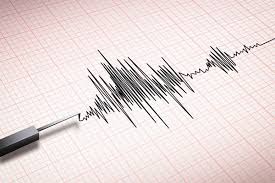
Manila (Rajeev Sharma): A massive 7.8-magnitude earthquake struck off the coast of southern Philippines on Monday, triggering tsunami alerts in several Asia-Pacific countries, damaging infrastructure and prompting large-scale evacuation efforts in vulnerable coastal regions.
The powerful undersea quake occurred near Sarangani province on Mindanao island, sending strong tremors across southern Philippines and causing panic among residents. Emergency authorities immediately activated disaster response protocols as concerns grew over potential tsunami waves.
Initial reports from local officials confirmed one fatality and multiple injuries, while rescue teams continued operations in areas where buildings had collapsed. Authorities warned that the casualty figure could change as assessments progress and emergency workers reach more affected locations.
Several commercial and public structures sustained significant damage during the quake. Eyewitness videos shared online showed collapsed buildings and rescue personnel working through piles of debris in search of trapped victims.
Following the earthquake, the Pacific Tsunami Warning Center issued advisories for several countries, including the Philippines, Indonesia, Taiwan, Papua New Guinea and Palau. Officials urged people living along coastlines to evacuate as a precaution until the threat subsides.
Japan also placed parts of its Pacific coastline under tsunami advisory, forecasting the possibility of moderate waves reaching coastal communities and asking residents to stay away from beaches and harbours.
A strong aftershock measuring 6.1 struck the region shortly after the main earthquake, increasing fears of additional structural damage and complicating ongoing rescue operations.
Philippine President Ferdinand Marcos directed authorities to prioritise public safety, suspend classes in affected regions and ensure timely evacuation of communities at risk. Disaster management teams have been deployed across impacted areas to coordinate relief measures and monitor developments.
Indonesia’s disaster response agency likewise instructed officials in northern provinces and island regions to guide residents to safer locations while keeping a close watch on changing sea conditions.
Located along the seismically active Pacific Ring of Fire, the Philippines experiences frequent earthquakes due to constant tectonic movement. The latest disaster serves as another reminder of the country’s vulnerability to powerful natural events and the importance of rapid emergency preparedness.
Authorities are continuing search and rescue operations while engineers inspect damaged buildings and officials monitor the possibility of further aftershocks in the coming hours.
