

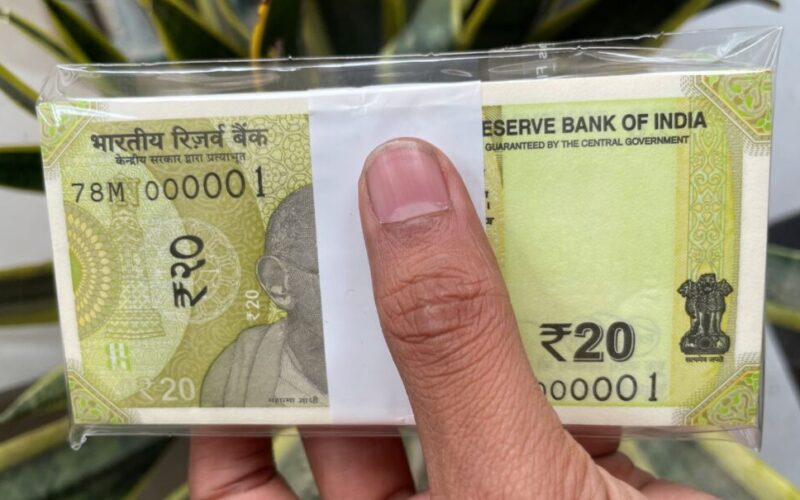
Chandigarh (Gurpreet Singh): As wedding festivities peak across Punjab, residents are grappling with an unexpected problem: a widespread scarcity of small-denomination currency. The crunch in freshly printed ₹10 and ₹20 notes has disrupted everyday purchases and sparked allegations of a thriving black market fed by diverted bank supplies.
While banks continue to inform customers that they are receiving only limited consignments of low-value notes, people across multiple districts say they are witnessing a completely different reality outside bank premises. According to locals, private agents and market traders are offering pristine bundles at sharply increased rates, prompting fears of an organised network operating beyond the banking system.
Commuters, shopkeepers, and families preparing for weddings reported standing in queues at banks for days without success. Yet, in weekly markets and near bus stands, the same notes are allegedly being sold at markups of 30–40 per cent. Fresh ₹10 notes worth ₹1,000 are reportedly fetching ₹1,300 to ₹1,400, while packs of ₹20 notes valued at ₹2,000 are being offered for ₹2,400 or more.
Residents claim some banking staff are acting as intermediaries or guiding customers toward outside sellers, an allegation community leaders say deserves urgent scrutiny. Social workers note that the shortage is hurting families with upcoming weddings the most, as small-denomination notes are essential for ceremonies, blessings, and customary gifting.
With public dissatisfaction rising, civil society members are urging financial regulators and state authorities to step in. They are calling for strict oversight, transparent distribution procedures, and firm action against individuals found exploiting the situation.
Until stronger checks are enforced, citizens fear the illegal trade will continue to flourish, leaving them dependent on overpriced currency during one of the busiest social seasons of the year.
