


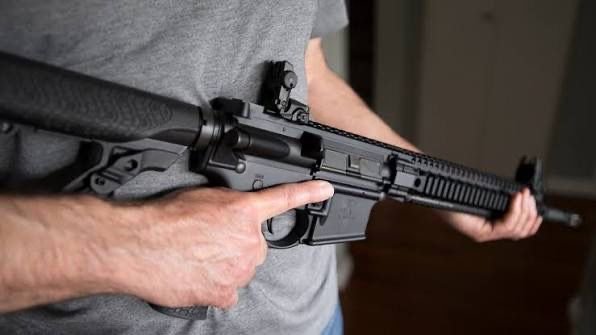
Calgary (Rajeev Sharma): The debate over firearms in Canada has intensified as Alberta has formally invoked the Sovereignty Within a United Canada Act, declining to participate in the federal gun-seizure and buyback program. It has become evident that Alberta is not alone in its stance. Saskatchewan, the Ontario Provincial Police (OPP), several major municipal police services, and numerous frontline police associations nationwide have also expressed their intention not to assist Ottawa in confiscating legally owned firearms.
Alberta’s motion instructs all police forces within the province, including the RCMP, to refrain from making arrests under the federal ban and directs Crown prosecutors not to pursue charges related to the buyback. The province has also emphasized its support for homeowners who use “reasonable force” in defending themselves against intruders, a move lauded by many rural residents who argue that federal policy overlooks genuine threats such as break-ins and violent crime.
Saskatchewan has adopted a nearly identical stance. Through amendments to the Saskatchewan Firearms Act, the province aims to shield licensed gun owners from what it deems an unfair and ineffective federal initiative. Saskatchewan officials contend that the buyback “misses the mark,” penalizing individuals who have complied with the law while failing to address gang violence, firearm smuggling, or the trafficking of weapons across the U.S. border.
Ontario has added significant weight to the pushback, with the Ontario Provincial Police, one of the country’s largest policing bodies, confirming its refusal to participate in the program. Several major municipal police services and national police associations have echoed similar concerns, stating that the federal buyback misallocates resources that should instead be utilized to combat illegal firearms, which are predominantly linked to Canada’s gun-related homicides.
Supporters across these provinces argue that the buyback is costly, ineffective, and fundamentally misguided. Hunters, farmers, sport shooters, and rural residents claim that the federal plan unfairly targets lawful citizens rather than criminals and view the provincial resistance as a practical, evidence-based correction to Ottawa’s approach.
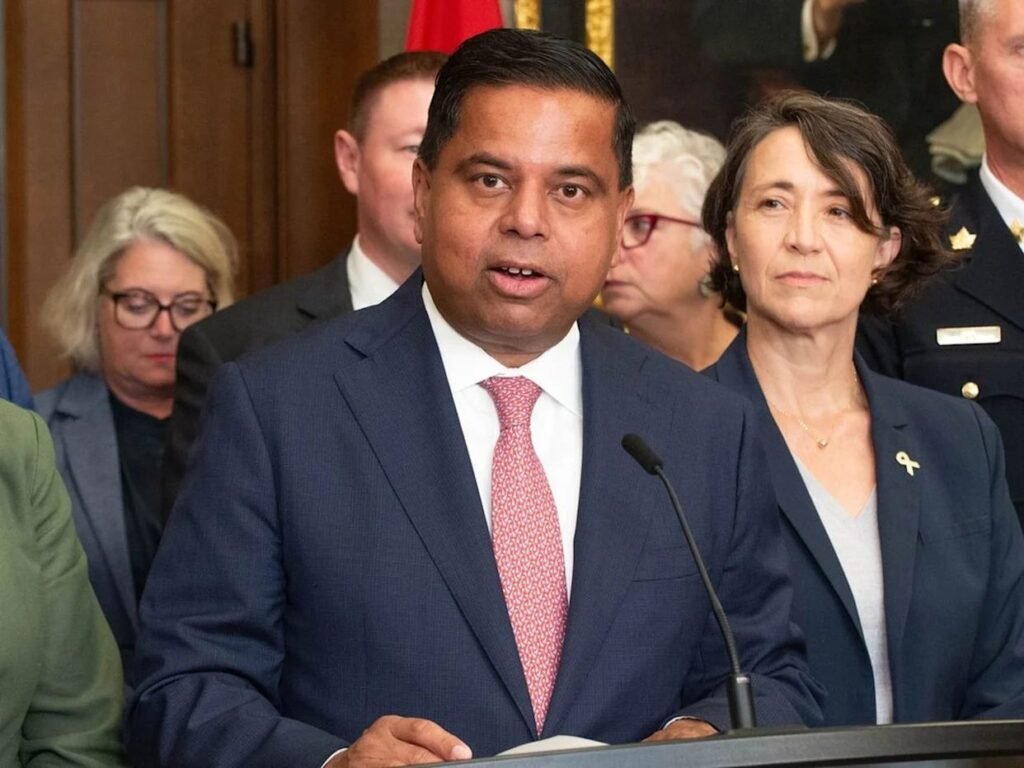
However, the federal government has pushed back. Public Safety Minister Gary Anandasangaree criticized the provinces’ refusal, urging them to “come on board” with the buyback and warning that resistance could harm residents eligible for compensation. Ottawa maintains that the program, with a budget capped at approximately $742 million, is a crucial component of a national strategy to reduce gun violence and remove assault-style firearms from circulation.
Legal experts caution that the dispute may soon escalate into a constitutional battle. As firearms regulation falls under federal authority, provinces refusing to enforce the ban could trigger significant court challenges and create a patchwork of enforcement across Canada, sowing confusion among both police and the public. What began as a single province standoff has now evolved into a nationwide resistance movement, representing one of the most significant challenges to federal gun policy in years.
As more provinces and police organizations line up against the buyback, the country faces an intensifying showdown over public safety, federal authority, and the rights of lawful gun owners.
