

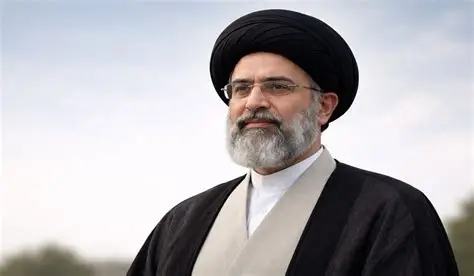
Tehran (Rajeev Sharma)— In a stern first address on Thursday, March 12, 2026, Iran’s new Supreme Leader, Mojtaba Khamenei, vowed to “avenge the blood of Iranians” and warned that Tehran would continue its campaign against American military installations in the region. The message, delivered via state television, comes as the Islamic Republic navigates a volatile leadership transition following the death of Ali Khamenei in recent U.S.-Israeli strikes.
Khamenei’s statement was deeply personal, acknowledging the loss of his father, wife, and other family members during the opening salvos of the conflict. He emphasized that the “lever of blocking the Strait of Hormuz” would remain a primary strategic tool, asserting that while a “limited amount” of revenge had been exacted, the mission would remain a priority until fully achieved.
Threats and Diplomatic Ultimatums
The new leader also issued a sharp warning to neighbouring countries that host U.S. military facilities. While stating that Iran is not an enemy of its neighbours, he declared the existence of American bases a destabilizing force that “must be closed.”
- Targeting Bases: Khamenei clarified that recent Iranian strikes were focused specifically on U.S. installations used to launch attacks against Iran, rather than the host nations themselves.
- Reparations: The statement demanded compensation for war damages, threatening the seizure or destruction of foreign assets should reparations be denied.
- Hormuz Blockade: The ongoing closure of the Strait of Hormuz continues to disrupt global energy markets, with Iranian officials warning that oil prices could soar to $200 per barrel if regional security is not restored on Tehran’s terms.
Washington’s Response: Oil vs. Nuclear Security
As Tehran’s message broadcasted, U.S. President Donald Trump addressed the crisis through his social media platform, Truth Social. Trump acknowledged that as the world’s largest oil producer, the U.S. could financially benefit from surging crude prices. However, he pivotted back to security, stating that stopping Iran’s “evil empire” from acquiring nuclear weapons remains his administration’s paramount objective.
“I won’t ever let that happen!” Trump wrote, even as the Pentagon estimated the first week of the military campaign has already cost Washington over $11.3 billion.
With the conflict entering its 13th day, the humanitarian toll is mounting, with the United Nations reporting that up to 3.2 million people have been displaced inside Iran. As both sides dig in, the prospect of a prolonged war of attrition looms over the global economy and West Asian stability.
