

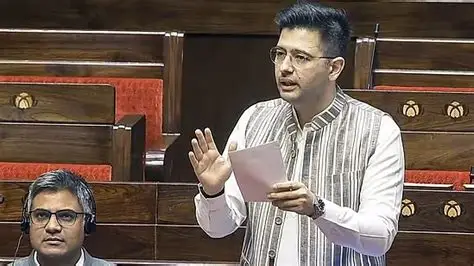
New Delhi (Gurpreet Singh): Member of Parliament Raghav Chadha has formally called for the introduction of a mandatory paid paternity leave law in India, highlighting the urgent need for a more equitable approach to childcare. Addressing the Rajya Sabha, the Aam Aadmi Party leader argued that the traditional burden of caregiving has historically fallen disproportionately on mothers, often hindering their professional growth and personal well-being. By institutionalizing leave for fathers, Chadha suggests that the state can play a pivotal role in shifting societal norms toward shared parental responsibilities from the very beginning of a child’s life.
The proposal emphasizes that paternity leave should not be viewed merely as a secondary benefit but as a fundamental step toward achieving gender equality in the workforce. Chadha pointed out that while several developed nations have robust frameworks supporting new fathers, India’s current legal landscape remains largely focused on maternity benefits. He noted that providing fathers with dedicated time to bond with their newborns would not only support the mother’s recovery and career continuity but also foster a stronger emotional foundation for the child within a more balanced domestic environment.
Drawing attention to the modern challenges faced by nuclear families and working parents, the MP stressed that a legislative mandate is necessary to ensure that fathers across all sectors can access this right without fear of professional repercussions. He argued that when caregiving is recognized as a joint responsibility by law, it reduces the “motherhood penalty” often seen in corporate hiring and promotions. The demand has sparked a broader conversation regarding labour law reforms and the evolution of family dynamics in a rapidly modernizing Indian society.
If implemented, such a law would represent a landmark shift in India’s social policy, aligning national standards with global best practices for family welfare. Supporters of the move suggest that it would encourage a more inclusive workplace culture and help dismantle the stigma sometimes associated with men taking time off for domestic duties. As the discussion moves forward, the focus remains on how the government might structure such a policy to balance the needs of employees with the operational realities of various industries.
