

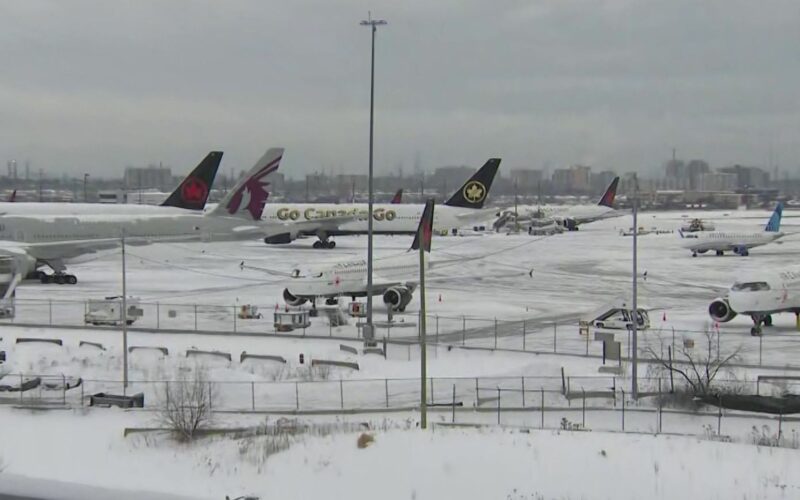
Toronto ( Rajeev Sharma): A powerful winter storm sweeping across large parts of North America caused unprecedented disruption to air travel on Sunday, January 25, 2026, forcing the cancellation of more than 10,500 flights within, into, or out of the United States making it one of the worst single-day aviation shutdowns since the COVID-19 pandemic.
Heavy snowfall, freezing rain, and strong winds crippled operations at major U.S. hubs including Charlotte Douglas International Airport, Hartsfield-Jackson Atlanta International Airport, Dallas-Fort Worth International Airport, and airports across the New York City region. The storm’s impact extended into Canada, with Toronto Pearson International Airport reporting significant delays and cancellations as inbound and outbound flights were affected by U.S. airspace disruptions and aircraft positioning issues.
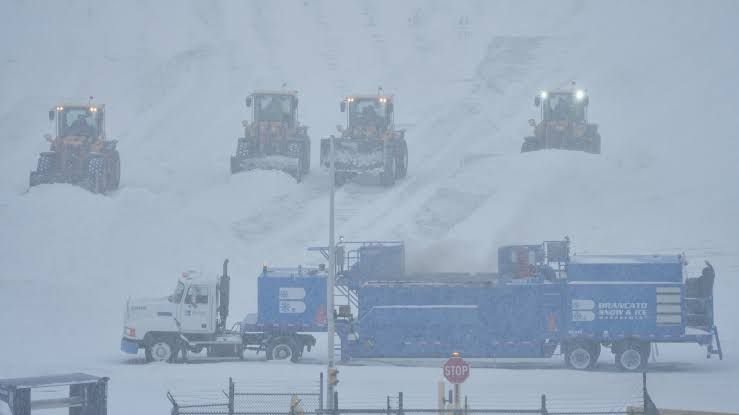
Airlines including American, Delta, United, and Southwest issued widespread travel waivers, allowing passengers to rebook without penalty. Airport authorities cited hazardous runway conditions, lengthy aircraft de-icing procedures, frozen ground equipment, and displaced flight crews as key reasons for the mass cancellations. Thousands of travelers were stranded at terminals, with long lines forming at customer service counters and hotel availability near major airports quickly running out.
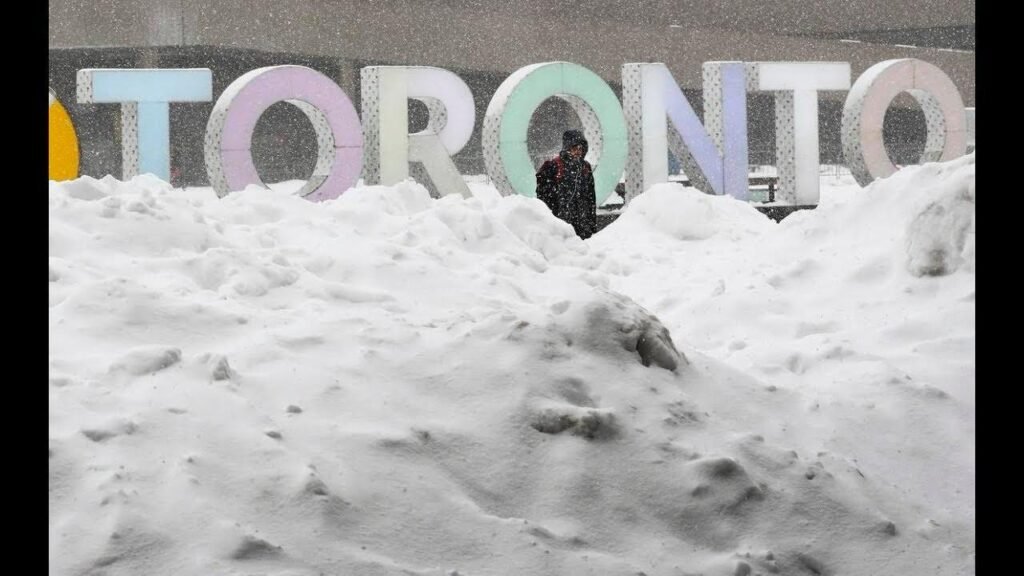
Weather forecasters warned that lingering sub-zero temperatures and follow-up systems could slow recovery efforts well into the week, as airlines work to reposition aircraft and crews across the continent. Transportation officials urged travelers to monitor airline alerts closely, check flight status before heading to airports, and avoid non-essential travel where possible. The storm also disrupted cargo and mail deliveries, raising concerns about broader supply chain delays across the U.S. and Canada.
