

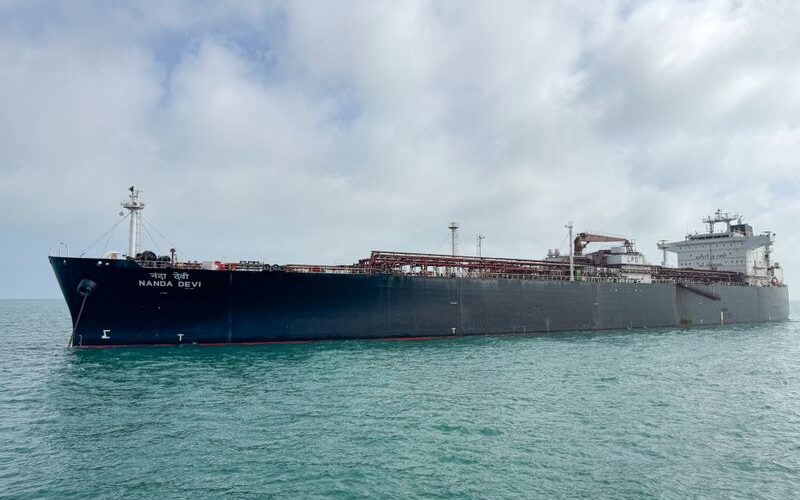
New Delhi (Gurpreet Singh)— The Government of India announced today that the second major LPG carrier, Nanda Devi, has docked at Kandla Port and commenced discharge operations. This follows the arrival of the carrier Shivalik earlier this week, providing a much-needed boost to the country’s cooking gas reserves as the West Asia conflict continues to disrupt traditional shipping routes.
Despite the arrival of these shipments, the Petroleum Ministry maintained that the supply situation remains “concerning” and requires rigorous monitoring. Citizens are being urged to use LPG “rationally” and transition to alternate energy sources like Piped Natural Gas (PNG) and induction cooktops where possible.
Supply Stabilization and Panic Buying
Government data suggests that the initial wave of panic booking is beginning to subside.
- Refill Trends: Daily refill requests have dropped from a peak of 89 lakh on March 13 to approximately 70 lakh as of today.
- Prioritizing Households: Officials clarified that while commercial and bulk LPG supplies have been curtailed—leading to a reported 17% drop in overall consumption—domestic supply to households remains “uninterrupted,” with daily distribution ranging between 50 lakh and 62 lakh cylinders.
Ramping Up Domestic Production & Global Diversification
To offset the maritime blockade in the Strait of Hormuz, India has shifted its energy strategy toward domestic self-reliance and non-Gulf imports:
- Refinery Boost: Domestic LPG production has been ramped up by 38% by diverting feedstock streams specifically into the LPG pool.
- U.S. Imports: For the first time in recent years, India is diversifying its import basket significantly beyond the Middle East, including recent large-scale procurement from the United States.
- Cargo Estimates: Total incoming LPG cargo from currently tracked vessels is estimated to be around 3 lakh metric tonnes.
Diplomatic Denials and Regional Safety
The Ministry of External Affairs (MEA) addressed rumors regarding negotiations with Tehran, firmly ruling out reports that Iran had proposed a “vessel exchange” for safe passage through the Strait of Hormuz.
“There has been no discussion of any exchange arrangement between India and Iran. Such reports are baseless,” stated MEA Spokesperson Randhir Jaiswal.
Key Security Updates:
- Seafarer Safety: 161 Indian sailors were successfully repatriated in the last 24 hours. However, 15 crew members evacuated from a vessel off Basra, Iraq, are still awaiting return.
- Casualties: The MEA confirmed that five Indian nationals have died in recent Gulf-related incidents, with one person still missing. The remains of two victims from Sohar, Oman, arrived in Jaipur today.
- Stalled Vessels: Several Indian vessels remain anchored west of the Strait of Hormuz, with the government coordinating with regional powers to ensure their safe movement.
Economic Impact: Freight and Insurance
The government is closely monitoring the surge in “war risk premiums” and rising freight costs. Authorities have warned shipping lines against “abnormal increases” in charges and are reviewing the financial impact on the broader logistics chain at the Jawaharlal Nehru Port (JNPT).
