

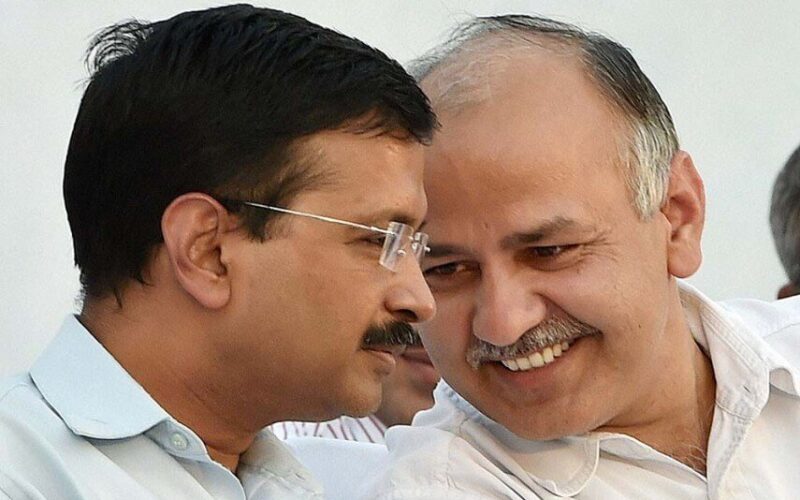
New Delhi (Gurpreet Singh): Following the Delhi High Court’s refusal to administratively transfer the CBI’s excise policy case, AAP leaders Arvind Kejriwal and Manish Sisodia filed a writ petition in the Supreme Court on Sunday, March 15, 2026. The petition, filed under Article 32, seeks to move the matter away from the bench of Justice Swarana Kanta Sharma. The AAP leadership has cited a “grave and bona fide apprehension” that they will not receive a neutral hearing, pointing to the judge’s past rulings and her initial observations in the current revision plea.
The legal standoff centers on the CBI’s challenge to a February 27 trial court order that discharged 23 accused, including Kejriwal and Sisodia, while sharply criticizing the federal agency’s investigation. During the first hearing on March 9, Justice Sharma issued notice to the accused and stayed the trial court’s recommendation for departmental action against the CBI’s investigating officer. Kejriwal’s legal team argued that the judge’s prima facie remark—that the trial court order was “erroneous”—was made without hearing the discharged parties, strengthening their fears of a predisposed outcome.
Earlier in the day, Delhi High Court Chief Justice D.K. Upadhyaya officially declined the administrative request for a transfer. He noted that the case had been assigned to Justice Sharma in strict accordance with the judicial roster and emphasized that any decision regarding recusal is the sole prerogative of the presiding judge. With the High Court maintaining its stance, the AAP has turned to the top court as a final resort to shift the bench before the CBI’s petition proceeds as scheduled this Monday.
In their Supreme Court filing, the AAP leaders also referenced several of Justice Sharma’s previous judgments in the excise policy case that were later set aside or modified by the Supreme Court. They contend that because the judge has already expressed detailed views on the “same nucleus of facts,” a fresh, impartial review by another bench is necessary to ensure the integrity of the judicial process.
