

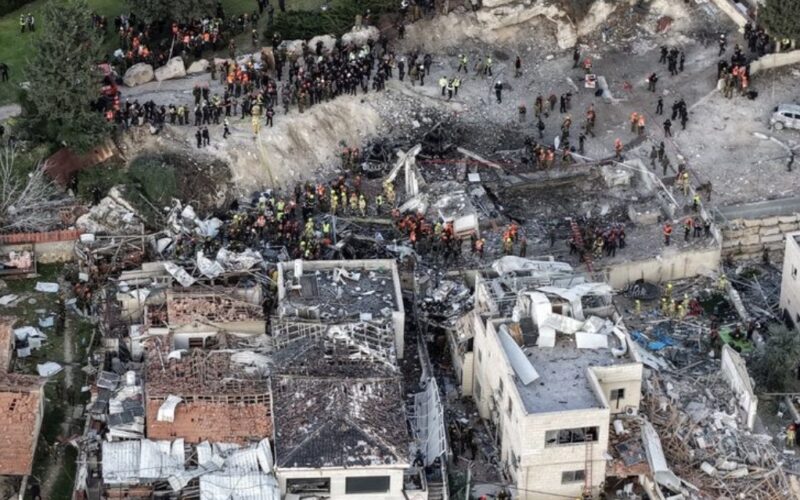
Lebanon (Rajeev Sharma): A fresh wave of Israeli airstrikes across Lebanon has claimed at least 31 lives and left 149 people wounded, Lebanese health authorities confirmed on Monday. The strikes followed a missile barrage launched by Hezbollah toward Israel, pushing an already volatile regional conflict into a more dangerous phase.
Officials in Beirut said the majority of casualties were reported from southern Lebanon, an area long regarded as a flashpoint in cross-border tensions. The Israeli military action came after Hezbollah announced it had fired missiles into northern Israel, calling the move a response to what it described as continued Israeli offensives and the killing of Iran’s Supreme Leader. Israeli authorities reported intercepting one projectile, while others landed in open terrain without causing injuries.
The latest escalation is part of a broader confrontation that has spread beyond Israel and Lebanon. The conflict intensified after the United States and Israel launched coordinated strikes on Iranian military targets, including missile facilities and naval positions. Israeli officials claimed significant damage was inflicted on Iran’s military infrastructure, including key naval assets. Iranian leaders, however, reported that more than 200 people have died since the aerial campaign began.
In Lebanon’s capital and surrounding regions, air raid warnings and evacuation advisories triggered panic among civilians. Israel urged residents of dozens of villages in eastern and southern Lebanon to leave their homes amid fears of additional strikes. Many families fled overnight, seeking shelter in safer areas.
The unrest has also spilled into neighboring countries. In Iraq, a militia group aligned with Tehran said it carried out a drone strike targeting American personnel at Baghdad International Airport. The claim followed a separate assertion that the group had attacked a US facility in Irbil. On the Mediterranean island of Cyprus, authorities reported that a British military base was targeted in a drone incident, underscoring the widening scope of the crisis.
Kuwait, too, faced security threats, prompting the United States to issue an urgent advisory to its citizens there. The US Embassy urged Americans to stay indoors and avoid embassy premises until further notice.
Iran has continued to launch missiles toward Israeli territory and other regional sites as part of its response to the joint American-Israeli strikes. Senior Iranian official Ali Larijani stated publicly that Tehran would refuse to enter negotiations with Washington under current circumstances, signaling little room for diplomatic engagement.
Meanwhile, US President Donald Trump pledged a forceful response after three American service members were killed in Kuwait. Gulf countries have also expressed alarm, warning that they could take retaliatory measures following attacks that struck strategic installations and reportedly resulted in civilian deaths.
With multiple flashpoints now active across West Asia, international observers fear that without urgent diplomatic intervention, the conflict could escalate into a full-scale regional war involving several state and non-state actors.
