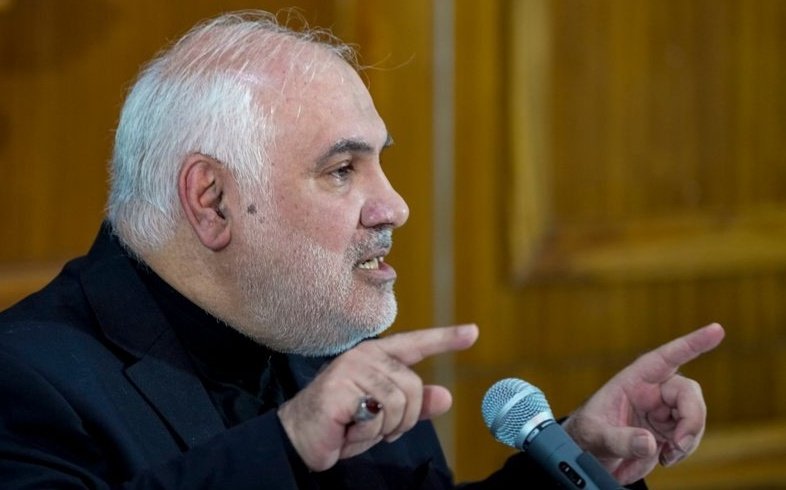
New Delhi (Gurpreet Singh)— Amid escalating tensions in West Asia and disruptions in maritime traffic through the Strait of Hormuz, Iran has clarified that Indian-flagged vessels have not been subjected to any tolls while passing through the critical chokepoint, easing concerns over trade and energy flows.
Addressing a press conference in New Delhi, Iran’s Ambassador to India Mohammad Fathali described India as a “reliable and compassionate partner,” expressing gratitude to both the government and citizens for their support during the ongoing crisis.
“I believe the people of India have demonstrated that they are truly reliable and compassionate partners in times of hardship,” Fathali said, while also acknowledging the role of Indian media in presenting what he termed the “real situation” in Iran.
In a key statement countering global speculation, the envoy firmly denied that Indian vessels were being charged for safe passage through the Strait. “You can ask the Indian government if we have charged anything up to now,” he said, referring to concerns raised after remarks by US President Donald Trump about potential restrictions on ships allegedly making payments to Iran.
India has consistently maintained that it has not paid any tolls to facilitate the movement of its ships, including liquefied petroleum gas (LPG) carriers, through the region since tensions escalated.
Highlighting strong diplomatic ties, Fathali pointed to ongoing engagement between Prime Minister Narendra Modi and Iranian President Masoud Pezeshkian, along with frequent interactions between senior officials of both countries. He emphasised shared regional interests and described the bilateral relationship as rooted in historical and cultural connections.
However, the envoy also painted a grim picture of the humanitarian impact of the conflict, claiming that over 3,700 people had been killed and more than 30,000 injured in recent weeks, including women and children. He alleged that strikes by the United States and Israel had caused extensive damage to civilian infrastructure, including hospitals, schools and energy facilities.
The remarks come amid a deepening geopolitical standoff following the collapse of US-Iran talks and renewed concerns over a possible blockade of the Strait of Hormuz, a vital artery for global energy supplies.
Iran Says No Tolls Charged on Indian Ships, Calls India ‘Reliable Partner’ Amid Hormuz Tensions
 0 Comments