

Tehran (Rajeev Sharma): Iran has directed its armed forces to halt military operations following a recently agreed temporary truce with the United States, while cautioning that the broader conflict remains unresolved.
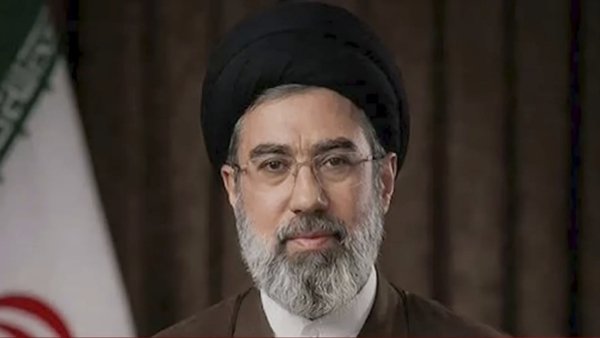
In a statement broadcast on state television, Supreme Leader Mojtaba Khamenei instructed all military units to cease fire in line with the two-week pause in hostilities. However, he underscored that the decision should not be interpreted as the end of the war.
Reinforcing that stance, Iran’s Supreme National Security Council said the country remains on high alert, warning that any perceived aggression by the United States or Israel would trigger a swift and forceful response. Officials described the ceasefire as a tactical pause rather than a conclusion to the conflict.
Tehran also outlined a detailed 10-point framework that it intends to push during upcoming negotiations. Key demands include easing sanctions, withdrawal of US forces from the region, compensation for damages, and a structured mechanism to manage navigation through the Strait of Hormuz under Iranian oversight.
Diplomatic talks are scheduled to begin in Islamabad, where both sides are expected to negotiate terms that could potentially extend or formalise the ceasefire.
Meanwhile, US President Donald Trump described the agreement as a step toward long-term stability, stating that negotiations were progressing on key issues. He noted that the ceasefire arrangement remains conditional, particularly on ensuring safe and unrestricted movement through the Strait of Hormuz.
Iranian authorities have portrayed the truce as a strategic achievement, claiming that their military objectives have largely been met. At the same time, they emphasised that any final settlement will depend on whether negotiations deliver on their core demands.
With both sides maintaining a cautious tone, the coming days of dialogue are expected to determine whether the temporary pause can evolve into a more durable peace or give way to renewed confrontation.
