

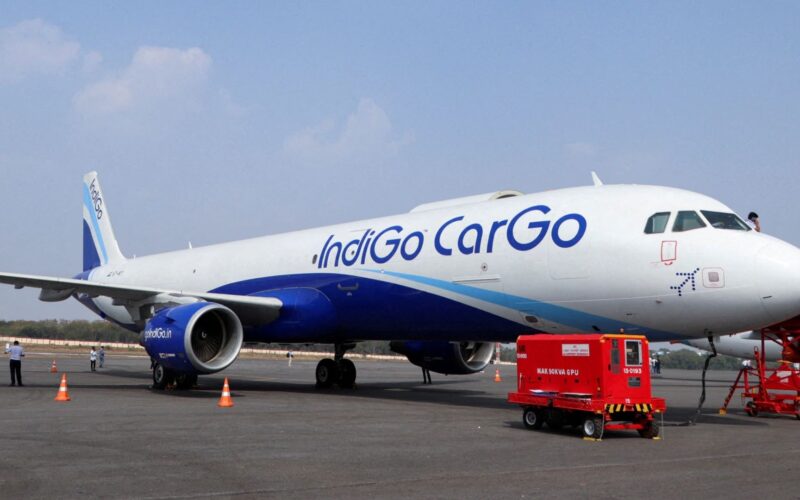
New Delhi: (Rajeev Sharma): IndiGo’s ongoing operational troubles intensified on Tuesday, with the airline pulling close to 180 flights from its schedules at Bengaluru and Hyderabad airports. The cancellations extend a week-long stretch of disruptions that has rattled passengers and raised concerns within the aviation ministry.
Data from airport authorities shows that Bengaluru bore the brunt of the turbulence, with 121 flights cancelled throughout the day—63 outbound and 58 inbound. Hyderabad saw 58 services grounded, including 14 arrivals and 44 departures, marking one of the most significant single-day cuts since the crisis began.
The recurring cancellations come as the Union government signals imminent corrective action. Civil Aviation Minister K. Rammohan Naidu said the ministry is preparing to scale back IndiGo’s approved routes under the current winter schedule, a move he described as both necessary and punitive.
Speaking to DD News, Naidu said the airline’s inability to operate several scheduled flights could not go unaddressed. “Some of IndiGo’s winter routes will be curtailed. These slots will be reassigned to other operators. Once IndiGo can reliably serve them again, they may be restored,” he said.
IndiGo currently dominates the domestic aviation sector, accounting for more than 65 percent of all passenger traffic. Its network spans over 90 cities within India and more than 40 destinations abroad, supported by a daily schedule exceeding 2,200 flights. That scale also means even limited disruptions cascade across the system; on Monday, the carrier had cancelled more than 560 flights across major metros.
Though the airline has not publicly outlined the full extent of the operational strain, industry analysts point to fleet availability issues, aircraft maintenance cycles and manpower shortages—all factors that can quickly compound during peak travel seasons.
With slot reductions on the horizon and daily cancellations mounting, experts warn that IndiGo may face a challenging few weeks unless it stabilises operations and restores confidence among both regulators and passengers.
