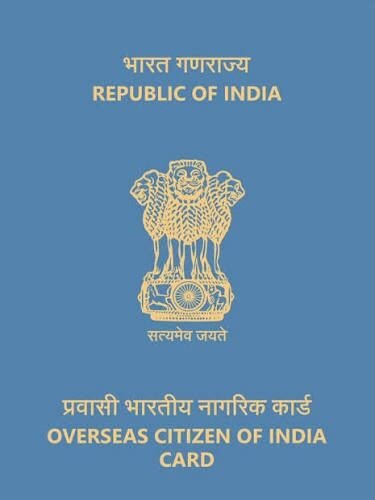
Vancouver ( Rajeev Sharma): The Government of India has implemented the most significant overhaul of the Overseas Citizen of India (OCI) programme in more than a decade, with new regulations coming into effect from April 1. The Ministry of Home Affairs says the reforms are aimed at modernizing services for the Indian diaspora, strengthening biometric verification, and creating a more streamlined and uniform system across Indian missions and consulates worldwide.
Under the revised framework, OCI cardholders are now required to update their passport details within 90 days of receiving a new foreign passport. Failure to meet the deadline may result in a penalty, while immigration authorities could flag outdated OCI records during entry into India. The government has also integrated OCI records more closely with biometric systems, a move expected to speed up immigration clearance and e-gate processing at major airports.
The reforms also remove certain residency requirements that previously applied to OCI-related services, making it easier for overseas professionals to participate in research, academic, and fellowship programmes in India. In a significant expansion of eligibility, fifth- and sixth-generation Indian-origin Tamils in Sri Lanka can now apply for OCI status using Sri Lankan government-issued documents as proof of ancestry.
A standardized global fee structure has also been introduced. Fresh OCI applications filed abroad will now cost US$275, while applications submitted within India will cost ₹15,000. Charges have also been fixed for reissuance, replacement of lost or damaged cards, and conversion of PIO cards to OCI status. Officials say the changes are intended to improve efficiency, enhance security, and strengthen India’s engagement with millions of people of Indian origin living across the world.
India Introduces Major OCI Reforms: New Compliance Rules and Fee Structure Now in Effect
 0 Comments