

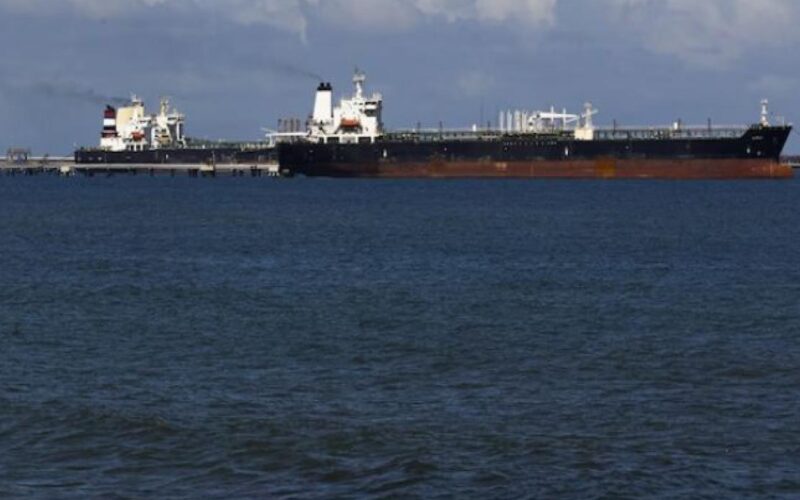
New Delhi, Rajeev Sharma :- In a significant maritime enforcement action, the Indian authorities have reportedly intercepted three oil tankers sanctioned by the United States and linked to Iran, tightening oversight of suspicious shipping activities within the country’s exclusive economic zone (EEZ).
Sources familiar with the development said the vessels, Stellar Ruby, Asphalt Star and Al Jafzia, were seized earlier this month after being detected operating under questionable circumstances off the western coast. The ships were intercepted nearly 100 nautical miles west of Mumbai and later escorted to the port city for detailed investigation.
According to officials, the move is part of a broader effort to prevent Indian waters from being used for ship-to-ship oil transfers aimed at masking the origin of crude and fuel cargoes. Such transfers are commonly used to bypass international sanctions and regulatory scrutiny.
The Indian Coast Guard has significantly expanded its maritime vigilance following the incident. Around 55 vessels and 10 to 12 aircraft have reportedly been deployed for continuous monitoring across India’s maritime zones to deter illicit oil trade and related activities.
The three tankers are believed to have frequently altered their names and operational identities to evade tracking by enforcement agencies. Their ownership structures are said to be based overseas, further complicating regulatory oversight.
The development comes at a time of improving diplomatic ties between New Delhi and Washington. Earlier this month, the United States announced a reduction in import tariffs on Indian goods from 50% to 18%, a move seen as part of broader trade understandings between the two countries. India has also committed to halting imports of Russian oil, signaling alignment with Western policy objectives.
International sanctions enforcement agencies, including the US Office of Foreign Assets Control (OFAC), had earlier listed vessels with matching IMO numbers under sanctions related to Iranian-linked trade activities. Shipping data indicate that at least two of the intercepted tankers had operational links to Iran, while another vessel was active in East Asian waters.
Sanctioned oil shipments are often traded at steep discounts due to the legal and financial risks involved. Traders and intermediaries typically rely on complex ownership networks, falsified documentation and mid-sea cargo transfers to obscure supply chains.
Authorities have not issued a detailed public statement on the investigation so far. However, officials indicate that scrutiny of maritime activity will remain heightened in the coming weeks as India seeks to safeguard its waters from being misused for sanction-evasion operations.
