

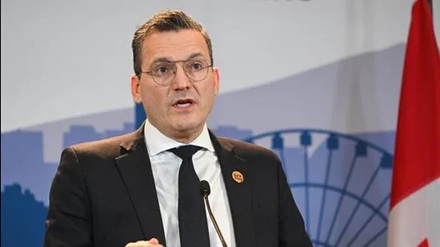
Ontario (Rajeev Sharma): Collaboration between India and Canada in the field of artificial intelligence could unlock significant benefits for both nations, according to the head of one of Canada’s premier science and technology institutions.
Dr. Vivek Goel, President and Vice-Chancellor of the University of Waterloo, described the growing engagement between the two countries as a “remarkable opportunity,” highlighting how their respective strengths can complement each other in the rapidly evolving AI landscape.
Speaking ahead of the AI Impact Summit in New Delhi, where he is scheduled to participate alongside Canada’s AI Minister Evan Solomon, Goel emphasised that combining Canada’s expertise in foundational research and regulatory frameworks with India’s scale, technical talent and rapid deployment capabilities could create powerful synergies.
The Ontario-based university, often likened to leading global technology institutes, has been at the forefront of AI research and innovation. It partnered in an official pre-summit AI event hosted in Toronto last month, where discussions centred on practical areas of cooperation, including healthcare technology.
Goel pointed out that both countries face similar challenges in delivering healthcare services to remote and underserved communities. Canada has developed AI-driven tools to support healthcare access in its northern and rural regions, and these solutions could be adapted and expanded in India, where vast rural populations require improved medical outreach.
Beyond healthcare, the university has initiated programmes aimed at building AI capabilities within the corporate sector. Recently, it launched an online executive course on artificial intelligence for chief technology officers in partnership with an Indian organisation. The programme is designed to provide short, focused learning modules to industry leaders across sectors, helping them adapt to technological shifts.
Goel noted that workforce transformation will be a crucial area of cooperation, particularly in reskilling and upskilling professionals as AI adoption accelerates. He also indicated that the university is exploring academic collaborations with Indian institutions to offer joint degrees, short-term courses and specialised training modules to students in India.
While geopolitical tensions and strained diplomatic ties in recent years have posed challenges, Goel stressed the importance of building trust between mid-sized powers in an AI ecosystem currently dominated by the United States and China. In his view, deeper collaboration between India and Canada can contribute to a more balanced and multipolar global technology environment.
As global competition intensifies in artificial intelligence, both countries appear keen to position their partnership as one rooted in shared research, ethical governance and inclusive growth.
