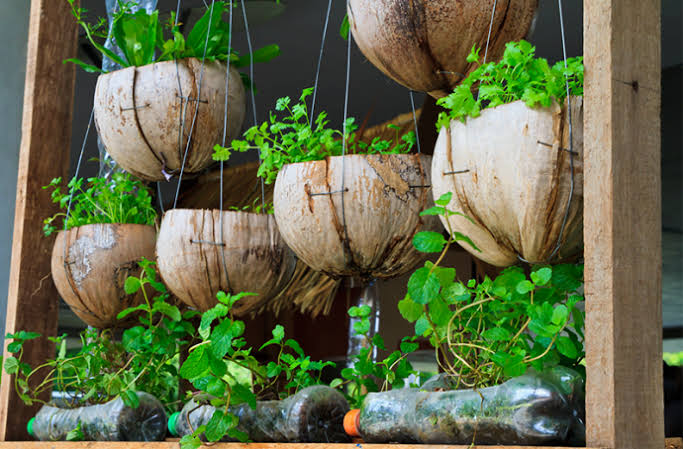
With balconies turning into mini-farms and rooftops blooming with herbs, city dwellers are digging into a slower, greener way of life.
Chennai, July 25, 2025 — In the middle of honking traffic, high-rises, and concrete heat, a quiet revolution is growing leaf by leaf. Urban gardening is no longer just a weekend hobby it has become a full-blown lifestyle movement, offering city residents a sense of calm, control, and connection with nature.
Across Indian metros, rooftops, terraces, and balconies are being transformed into lush spaces filled with spinach, tomatoes, chillies, mint, and marigolds. What once held laundry lines and satellite dishes now boasts grow bags, hydroponic towers, compost bins, and clay pots brimming with fresh produce.
For many urbanites, the appeal is deeply personal. Amid rising food prices, climate anxiety, and digital fatigue, gardening offers tangible peace. The act of planting a seed, watering it daily, and watching it flourish gives a sense of grounding that few other routines offer.
Experts in mental health and sustainability both support the shift. Gardening is linked with reduced stress, better sleep, and a sense of responsibility. It fosters mindfulness, patience, and satisfaction something increasingly rare in fast-paced urban living.
Social media has played a key role in popularizing the trend. Tutorials on composting, DIY vertical planters, and growing herbs from kitchen scraps are widely shared. Balcony garden tours and #PlantParent updates are as popular as food content or fashion hauls.
Online communities around organic gardening, native seeds, and eco-conscious living are flourishing. People are swapping tips on pest control using neem oil, composting kitchen waste, and how to keep spinach alive in peak summer heat. Many have even started trading or gifting homegrown produce within neighborhoods.
The rise in awareness about food origin and sustainability has also contributed. People are questioning where their food comes from, what chemicals it carries, and how far it has traveled. Urban gardening offers a form of self-reliance hyperlocal, pesticide-free, and deeply satisfying.
Startups have noticed. Brands now offer smart indoor garden kits, composting solutions, seed subscriptions, and organic potting mixes tailored for tight spaces. Gardening apps provide reminders, tips, and even plant health diagnostics using AI.
Even schools and apartment complexes are joining in. Edible garden patches, seed bomb drives, and rooftop gardening clubs are emerging as community-building tools, especially among children and the elderly.
However, challenges remain. Space, water constraints, and erratic weather can make gardening in cities unpredictable. But enthusiasts argue that the rewards outweigh the hurdles. Even a few pots of basil or spinach can transform not just meals but moods.
In nurturing plants, city dwellers are also nurturing patience, hope, and resilience. In a world moving at digital speed, urban gardening is proof that growth still takes time and that’s exactly the point.
Greener Living in Concrete Cities: How Urban Gardening Is Rooting a New Lifestyle
 0 Comments