

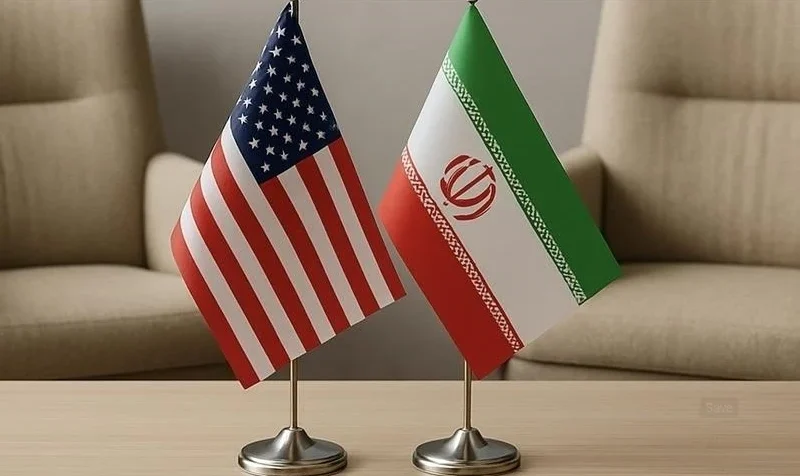
Tehran (Rajeev Sharma): A fresh diplomatic effort appears to be underway between the United States and Iran after both sides reportedly agreed to suspend military operations and resume negotiations over maritime security in the Strait of Hormuz following days of escalating conflict.
Officials familiar with the development said technical-level discussions are expected to restart in Qatar this week, focusing on the implementation of the previously negotiated memorandum of understanding that aims to keep the strategic waterway open for global shipping while broader political issues are addressed.
The decision comes after a series of military exchanges had pushed the region to the brink of a wider confrontation. Tensions intensified following an attack on a commercial vessel transiting the Strait of Hormuz, with both Washington and Tehran accusing each other of violating the interim understanding reached earlier this month.
Subsequent retaliatory actions saw the United States launch strikes against Iranian military infrastructure, while Iran responded by targeting American military facilities in Kuwait and Bahrain using missiles and drones. Despite the attacks, US officials said no significant damage or casualties were reported at their regional bases.
Regional authorities also confirmed that air defence systems successfully intercepted several incoming projectiles, preventing further escalation.
The Strait of Hormuz, one of the world’s busiest energy corridors, remains central to the ongoing discussions. Any disruption in traffic through the narrow passage has the potential to affect international oil supplies and global shipping markets, making stability in the region a priority for multiple countries.
Meanwhile, the broader regional situation remains delicate. Israel has continued military operations against Hezbollah-linked positions in southern Lebanon, while Iran has maintained that a lasting reduction in hostilities across the Middle East depends on ending military activity on multiple fronts.
The renewed talks have generated cautious optimism among diplomats, who believe sustained dialogue could help preserve the temporary agreement and reduce the risk of another military flare-up. Officials indicated that negotiations would cover not only navigation through the Strait of Hormuz but also mechanisms to prevent future incidents involving commercial vessels and military forces operating in the Gulf.
While both governments have agreed to step back from immediate confrontation, observers note that the success of the diplomatic process will depend on whether the commitments made during the upcoming negotiations translate into lasting confidence-building measures on the ground.
