

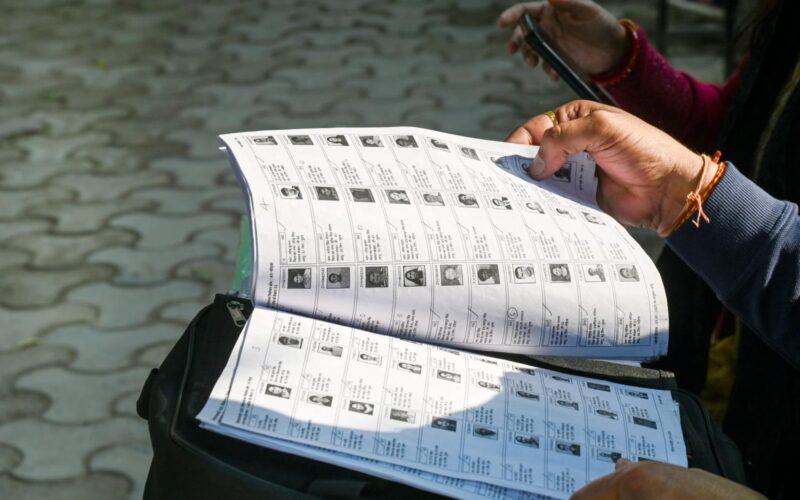
New Delhi (Gurpreet Singh) – The Election Commission of India (ECI) has directed 22 states and Union Territories, including Delhi, to accelerate preparations for the Special Intensive Revision (SIR) of electoral rolls. The poll panel confirmed on Thursday that the nationwide exercise is slated to commence in April 2026, marking the final phase of a pan-India cleanup initiative that began last June.
Once this round is concluded, the commission will have covered all states and UTs, addressing a total of approximately 100 crore (1 billion) electors. While the SIR has already been completed in Bihar and a special revision concluded in Assam on February 10, the process is currently ongoing in 12 other regions.
Scope of the Upcoming Revision
The upcoming phase targets the remaining 40 crore (400 million) voters across 17 states and 5 Union Territories. The regions receiving the directive include:
- Northern India: Delhi, Punjab, Haryana, Himachal Pradesh, Jammu and Kashmir, Ladakh, and Uttarakhand.
- Southern & Western India: Karnataka, Telangana, Andhra Pradesh, and Maharashtra.
- Eastern & North-Eastern India: Odisha, Jharkhand, Manipur, Meghalaya, Mizoram, Nagaland, Sikkim, and Tripura.
- Union Territories: Chandigarh, Dadra and Nagar Haveli & Daman and Diu.
Political Friction and Legal Challenges
The SIR exercise has become a flashpoint for political controversy. The opposition has labeled the move as a “vote chori” (vote theft) tactic, alleging that the cleanup specifically targets voters who do not align with the ruling party.
In West Bengal, Chief Minister Mamata Banerjee recently appeared before the Supreme Court to personally challenge the exercise. Similarly, political parties in Tamil Nadu have also sought judicial intervention. These challenges often stem from earlier claims by EC officials in Bihar, who suggested that grassroots functionaries had identified ineligible foreign nationals from neighboring countries on the rolls—claims for which the EC has yet to provide public evidence or specific data.
Operational Hurdles
The commission noted that the schedule for SIR in nine states and three UTs has faced frequent “tweaking” due to various logistical and administrative challenges. Despite these delays, the ECI remains committed to finalizing the list to ensure the integrity of the democratic process.
