

Washington (Rajeev Sharma): The longest government shutdown in US history came to a close late Wednesday as President Donald Trump signed a bipartisan funding bill, reopening federal agencies after 43 days of disruption that left workers unpaid, delayed services, and exposed deep partisan rifts in Washington.
The measure, which cleared the House of Representatives earlier in the day by a 222–209 vote after passing the Senate on Monday, brings a temporary end to weeks of political stalemate. It funds major government departments through January 30 while providing guarantees for back pay to furloughed federal employees and shielding them from further layoffs in the short term.
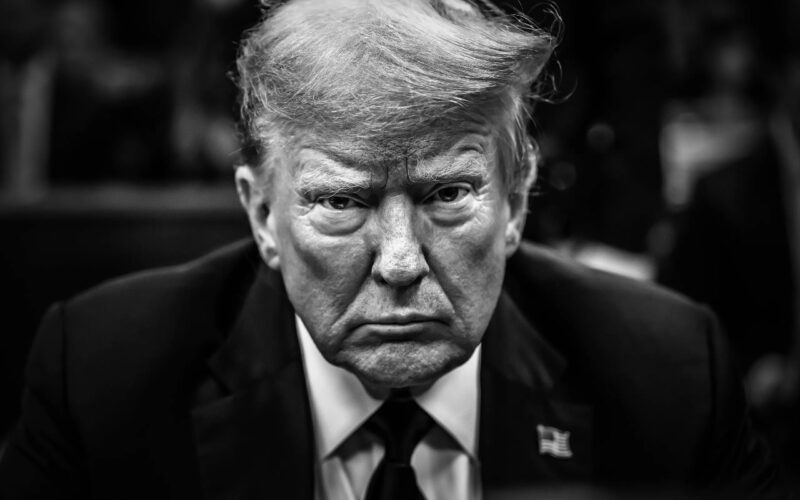
“You shouldn’t forget this,” President Trump told reporters after the signing. “Democrats caused this shutdown. The American people saw what they did, and they shouldn’t be rewarded for it.”
Bitter Political Divide
The shutdown — which began over disputes surrounding the extension of health-care tax credits under the Affordable Care Act (ACA) — had left hundreds of thousands of federal employees without pay and triggered ripple effects across the country. Food banks reported longer lines, airport travelers faced hours-long waits, and several infrastructure projects came to a halt.
Republicans accused Democrats of using federal workers as leverage in a policy fight, while Democrats argued that the GOP prioritized tax breaks for the wealthy over everyday families’ access to affordable health care.
“Shutdowns never work. They don’t achieve the goals they promise,” said Rep. Tom Cole (R-Okla.), chair of the House Appropriations Committee. “Forty-three days later, we’re right back where we started.”
Inside the Deal
The final legislation was the product of eight senators from both parties who broke ranks to craft a compromise. It includes funding for three key annual spending bills, protections for federal employees, and continued funding for food assistance programs through the remainder of the fiscal year.
In addition, the package allocates $203.5 million to bolster security for lawmakers and $28 million for Supreme Court justices’ protection. It also controversially introduces a clause allowing senators to sue federal agencies for unauthorized surveillance of their electronic records, with damages capped at $500,000 per violation — a late addition that drew criticism even from Republicans.
“That provision was slipped in at the last moment, and I’m furious about it,” House Speaker Mike Johnson said. “We’ll be taking it up separately next week.”
Health Care at the Heart of the Standoff
At the core of the shutdown was a battle over whether to extend enhanced tax credits designed to make ACA health plans more affordable — benefits originally introduced during the COVID-19 pandemic. Democrats demanded their renewal, while Republicans argued the subsidies had outlived their purpose.
“This credit ensures families can afford health care,” said Rep. Nancy Pelosi (D-Calif.). “Without it, premiums will skyrocket, and millions will lose coverage.”
The Congressional Budget Office projected that failing to renew the enhanced credit could cause premiums to double for millions and push more than two million Americans off their insurance plans next year.
Republicans, however, vowed to revisit the issue later, promising a separate Senate vote by mid-December — though no guarantees were made. Sen. Susan Collins (R-Maine) suggested she might support an extension with new income caps, an idea some Democrats said they were open to discussing.
Fallout and the Road Ahead
The shutdown, which began in early October, exposed the fragility of the current political balance in Washington. It was marked by public frustration, partisan blame games, and economic strain across multiple sectors.
While Trump claimed victory for forcing Democrats back to the negotiating table, Democratic leaders insisted that the standoff proved the futility of using shutdowns as political weapons.
“Republicans played with people’s livelihoods to make a point — and they still didn’t get what they wanted,” said Rep. Rosa DeLauro (D-Conn.), the top Democrat on the Appropriations Committee.
As government operations resume, Congress now faces another looming deadline in January to finalize a longer-term spending plan — and a potentially fierce battle over health-care funding still lies ahead.
For federal workers and ordinary Americans, however, Wednesday’s signature brought at least temporary relief after six weeks of uncertainty and one of the most bruising shutdowns in modern US history.
