

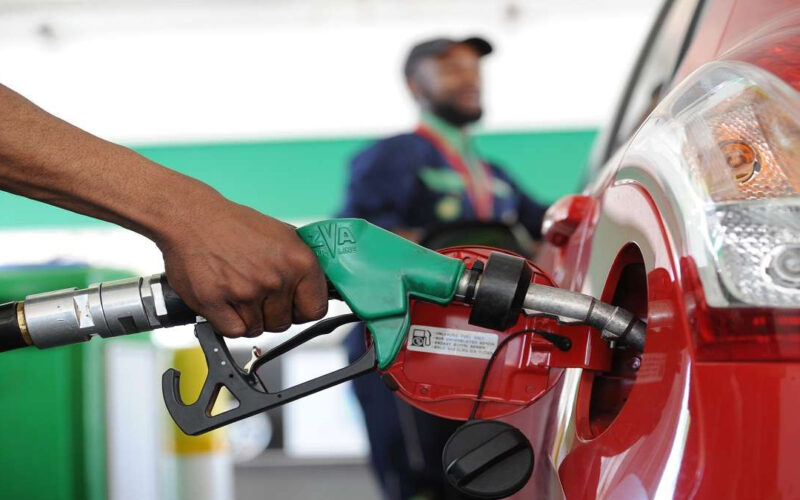
New Delhi (Rajeev Sharma): The recent decline in global crude oil prices has raised expectations of lower fuel costs in India, but motorists have yet to see any reduction at petrol pumps. Oil marketing companies have maintained existing petrol and diesel rates across the country despite the fall in international crude benchmarks.
Global oil markets witnessed a sharp correction after diplomatic developments between the US and Iran eased concerns over supply disruptions. The reopening of the Strait of Hormuz, a key route for global oil shipments, also helped push crude prices down from recent highs.
Brent crude futures for August delivery were trading at around $79.11 per barrel on Wednesday, while US benchmark WTI crude for July delivery stood at nearly $76.22 per barrel. These levels are close to the prices seen before the recent geopolitical tensions affected markets.
However, domestic fuel prices have not responded immediately to the global decline. Experts explain that petrol and diesel rates in India depend not only on crude prices but also on factors such as government taxes, currency fluctuations and the pricing decisions of oil companies.
As of Wednesday, June 17, petrol and diesel prices remained unchanged in major cities, with only small variations of a few paise recorded in different locations.
In the national capital, petrol is available at ₹102.12 per litre, while diesel is priced at ₹95.20 per litre. Mumbai continues to have among the highest fuel prices among metro cities, with petrol at ₹111.21 per litre and diesel at ₹97.83 per litre.
Kolkata consumers are paying ₹113.51 per litre for petrol and ₹99.02 per litre for diesel. In Chennai, petrol is priced at ₹107.77 per litre, while diesel costs ₹99.55 per litre.
Current petrol rates:
- Delhi: ₹102.12 per litre
- Mumbai: ₹111.21 per litre
- Kolkata: ₹113.51 per litre
- Chennai: ₹107.77 per litre
Current diesel rates:
- Delhi: ₹95.20 per litre
- Mumbai: ₹97.83 per litre
- Kolkata: ₹99.02 per litre
- Chennai: ₹99.55 per litre
Fuel prices had come under pressure earlier after crude oil markets reacted to tensions involving Iran, pushing input costs higher. Despite stable retail rates for some time, oil companies have reportedly continued to face financial pressure due to losses on the sale of petroleum products.
In May, petrol and diesel prices were revised four times within 11 days following the completion of assembly elections in several states. Since May 25, however, fuel rates have remained unchanged.
Consumers are now watching international developments closely, hoping that the recent drop in crude prices will eventually translate into cheaper fuel. Industry experts say a sustained decline in global oil prices would be necessary before any major reduction is reflected in domestic markets.
For now, vehicle owners will have to wait as oil companies assess the impact of the changing global crude environment before making any revisions to retail fuel prices.
