

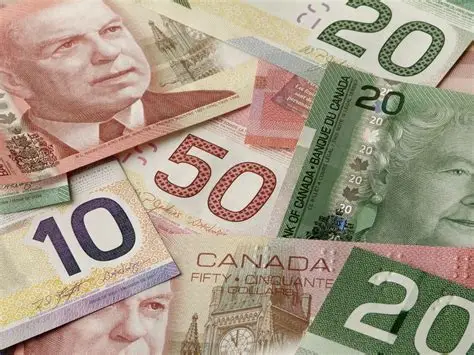
Ottawa (Rajeev Sharma): The Canadian dollar (CAD) weakened for its fourth consecutive day on Friday, March 27, 2026, hitting a two-month low as investors abandoned risk-sensitive currencies in favour of safe havens like the U.S. greenback. The “loonie” was trading at 1.3850 per U.S. dollar, or approximately 72.20 U.S. cents, its weakest intraday level since late January. Market sentiment has been heavily weighed down by fading optimism for a swift resolution to the Iran-Israel conflict, prompting a scramble for safety across global financial markets.
Currency strategists note that “high-beta” or risk-sensitive currencies—including the Canadian, Australian, and New Zealand dollars—are facing significant downward pressure as traders brace for a likely extension of the war. Despite Canada’s status as a major oil exporter, the loonie has been unable to capitalize on surging crude prices, which settled 4.6% higher at $94.48 a barrel on Thursday. Instead, investors are increasingly focused on the potential for a prolonged energy shock to fuel global inflation and stifle economic growth.
Compounding the loonie’s struggles are signs of domestic economic deceleration and trade-related uncertainties. Recent data showed a sharp 14.6% year-over-year decline in exports for January and a loss of 84,000 jobs in February. Furthermore, senior officials at the Bank of Canada have warned of “tough structural changes” ahead, including increased trade protectionism from the U.S., which may permanently alter Canada’s economic landscape. As the Federal Reserve signals it will keep interest rates steady to combat war-related inflation, the yield gap between U.S. and Canadian bonds continues to widen, further dampening demand for the Canadian currency.
