

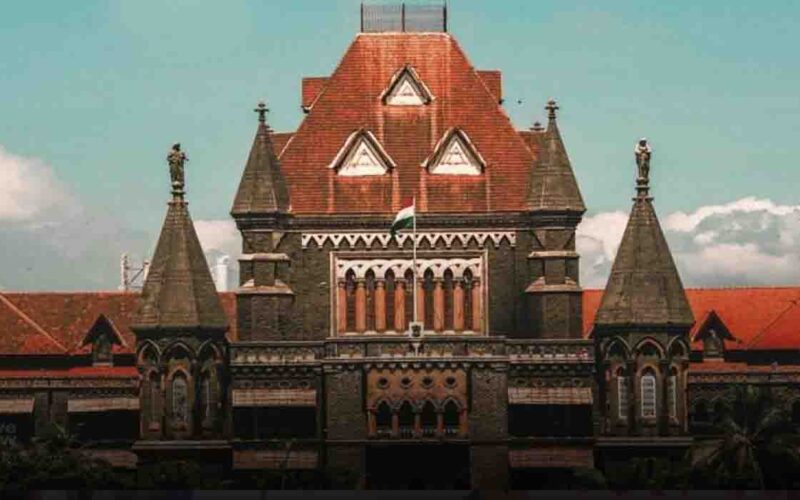
Mumbai (Gurpreet Singh): The Bombay High Court has set aside a divorce decree that was granted primarily based on WhatsApp messages, emphasizing that allegations of cruelty require a proper opportunity for the accused spouse to respond. A division bench comprising Justices Bharati Dangre and Manjusha Deshpande recently quashed an order from a Nashik district family court, which had allowed a man’s petition to dissolve his marriage based on digital correspondence.
The case reached the high court after the wife challenged the May 2025 family court decision, claiming it was passed ex-parte—without giving her a chance to oppose the allegations or present her own arguments. The lower court had originally relied on chat logs submitted by the husband, in which the wife reportedly demanded they move from Nashik to Pune to live separately. The family court had also noted derogatory comments made against the man’s mother and sister, characterizing the wife’s tone as “emotional blackmail” and “intemperate language.”
However, the High Court bench clarified that digital messages cannot serve as the sole basis for a divorce decree if the other party has not been allowed to rebut the evidence. The justices noted that the family court failed to follow the principles of natural justice by denying the wife a hearing. “Merely relying on the WhatsApp chat, the divorce decree cannot be granted, since it is not proved by leading evidence,” the court observed in its ruling.
The High Court has now remanded the matter back to the Nashik family court, directing that the wife be granted a full opportunity to present evidence and be heard. The bench further suggested that while the matter is being reconsidered, the estranged couple should explore the possibility of a settlement through formal mediation. This ruling reinforces the judicial standard that electronic records must be strictly proved and contested before being recognized as grounds for ending a marriage.
