

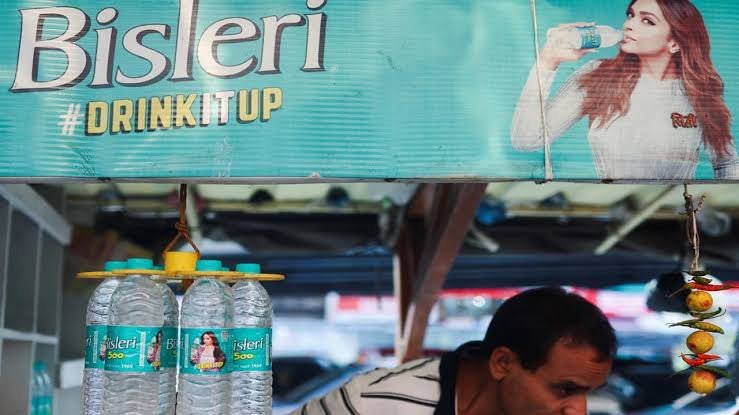
New Delhi (Rajeev Sharma): Bisleri International is facing another legal challenge from India’s food safety regulator after a packaged drinking water sample collected from its West Bengal facility was found to contain coliform bacteria. The Food Safety and Standards Authority of India (FSSAI) has sanctioned prosecution against the company in connection with the sample, making it the second such action against the packaged drinking water manufacturer.
Sources said the sample was collected from Bisleri’s plant located in Telipara village in Jalpaiguri district. The presence of coliform bacteria was confirmed by both the primary laboratory and the referral laboratory, establishing that the sample had failed the prescribed testing requirements.
Coliform bacteria are microorganisms that can enter water systems through sewage leaks, damaged pipes and other contamination pathways. Their detection in a drinking water sample can point to possible contamination, making laboratory verification and regulatory action important for consumer safety.
After the findings were confirmed, the FSSAI took action against a specific batch of the product. The regulator prohibited the sale of batch number PB 201 on August 12, 2026. The restriction applied only to that particular batch, sources said. Subsequently, in view of the violations of food safety rules, the FSSAI granted sanction for prosecution against Bisleri International.
The development follows a similar action announced by the regulator on Sunday in connection with a sample collected from one of Bisleri’s plants in Goa. That sample was also found to have failed laboratory testing, prompting the FSSAI to initiate legal proceedings against the company.
In its statement on the Goa case, the FSSAI said the sample did not meet the prescribed bromate limits and was declared unsafe under the Food Safety and Standards Act, 2006. Bisleri subsequently appealed against the findings, following which the sample was sent to a referral food laboratory.
However, the referral laboratory also classified the sample as unsafe after detecting polynuclear aromatic hydrocarbons (PAHs). The FSSAI said these laboratory findings confirmed violations relating to unsafe food practices and led to the initiation of prosecution under the Food Safety Act, 2006.
Bisleri International, meanwhile, has defended the safety of its products. On Monday, the company asserted that its products were safe for consumption and said it would cooperate with the food regulator to address the concerns raised. The company’s response to the latest prosecution sanction involving the West Bengal sample was not immediately available. The FSSAI’s response on the matter also could not be ascertained immediately.
The action against Bisleri comes at a time when the FSSAI is carrying out a wider nationwide exercise to examine the quality of packaged drinking water and mineral water. Earlier this week, FSSAI CEO Rajit Punhani said the regulator was collecting samples from different parts of the country, with laboratory testing expected to be completed within one to two months.
Punhani clarified that the objective of the exercise was to ensure that companies follow food safety standards and regulations, rather than create panic among consumers. He also pointed out that the agency had carried out enforcement activities involving several food and beverage products over the past year.
The regulator is also planning to expand its monitoring activities to include packaging materials used for food products. This would add another layer to its scrutiny of the food supply chain, beyond the products themselves.
As part of the strengthened monitoring drive, the FSSAI has communicated with state food commissioners and regional directors, asking them to increase surveillance, inspections and sampling of packaged drinking water and mineral water. The authorities have also been instructed to take action against companies wherever non-compliance is detected.
The regulator’s enforcement activity has increased during the current calendar year, with action being taken against food business operators and e-commerce companies. Manufacturers of energy drinks and alcoholic beverages have also come under the FSSAI’s scrutiny.
The latest case involving Bisleri highlights the regulator’s continued focus on packaged drinking water quality. With two separate cases involving samples from the company’s facilities in West Bengal and Goa, the FSSAI’s enforcement drive has once again brought food safety compliance in the packaged water sector into focus.
