

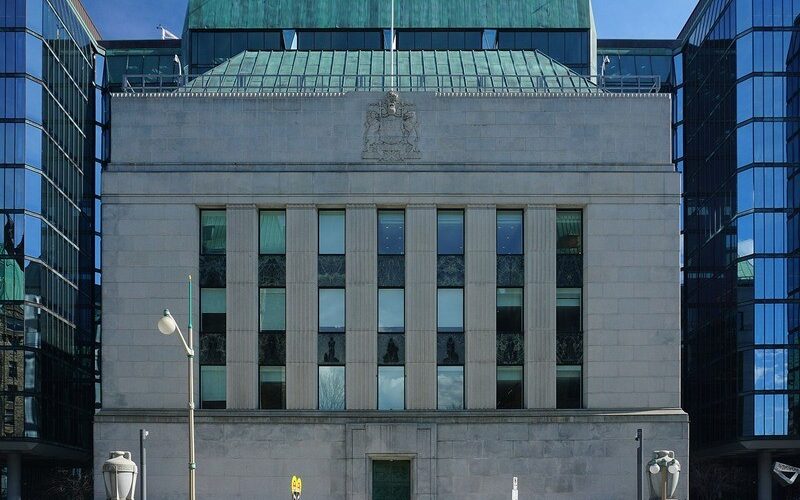
Ottawa (Rajeev Sharma): The Bank of Canada has issued a cautious warning that interest rate increases may occasionally be required even during periods of economic stagnation, as the country prepares for significant structural shifts and potential global supply shocks. Speaking in Norway on Monday, March 2, 2026, Deputy Governor Sharon Kozicki addressed the “difficult trade-off” that central banks face when inflationary pressures are driven by supply-side disruptions rather than domestic demand. She noted that while it might seem counterintuitive to tighten monetary policy during a weak economy, such restraint is essential to prevent inflation from becoming persistent.
Kozicki identified several emerging risks that could trigger these supply shocks, including increasingly protectionist trade policies, aging demographics, and extreme weather events. She specifically pointed to the strained trade relationship between Canada and its southern neighbour as a primary factor that could lead to structural changes in the economy. While she clarified that these scenarios are not currently part of the bank’s active policy deliberations, the remarks come at a time of significant transition for Canadian foreign and economic policy under the leadership of Prime Minister Mark Carney.
The Bank of Canada is currently maintaining its key interest rate at 2.25 per cent, a level intended to keep inflation near the 2 per cent target. However, the prospect of further tightening looms as Canada seeks to diversify its trade portfolio. In New Delhi this week, Prime Minister Carney and Indian Prime Minister Narendra Modi set an ambitious bilateral trade target of $50 billion by 2030, aiming to reduce Canada’s heavy reliance on the American market. Analysts suggest that while such diversification is strategically sound, the transition period may involve the very supply-side volatility and inflationary risks that Kozicki highlighted in her address.
For now, the central bank remains data-driven, with the next formal rate decision scheduled for March 18. The bank’s leadership emphasized that if a supply shock is expected to have a large or lasting impact on prices, policy restraint will remain the primary tool to ensure long-term stability. As global geopolitical tensions continue to rise, the Bank of Canada’s stance signals a proactive approach to navigating an increasingly unpredictable international economic landscape.
