

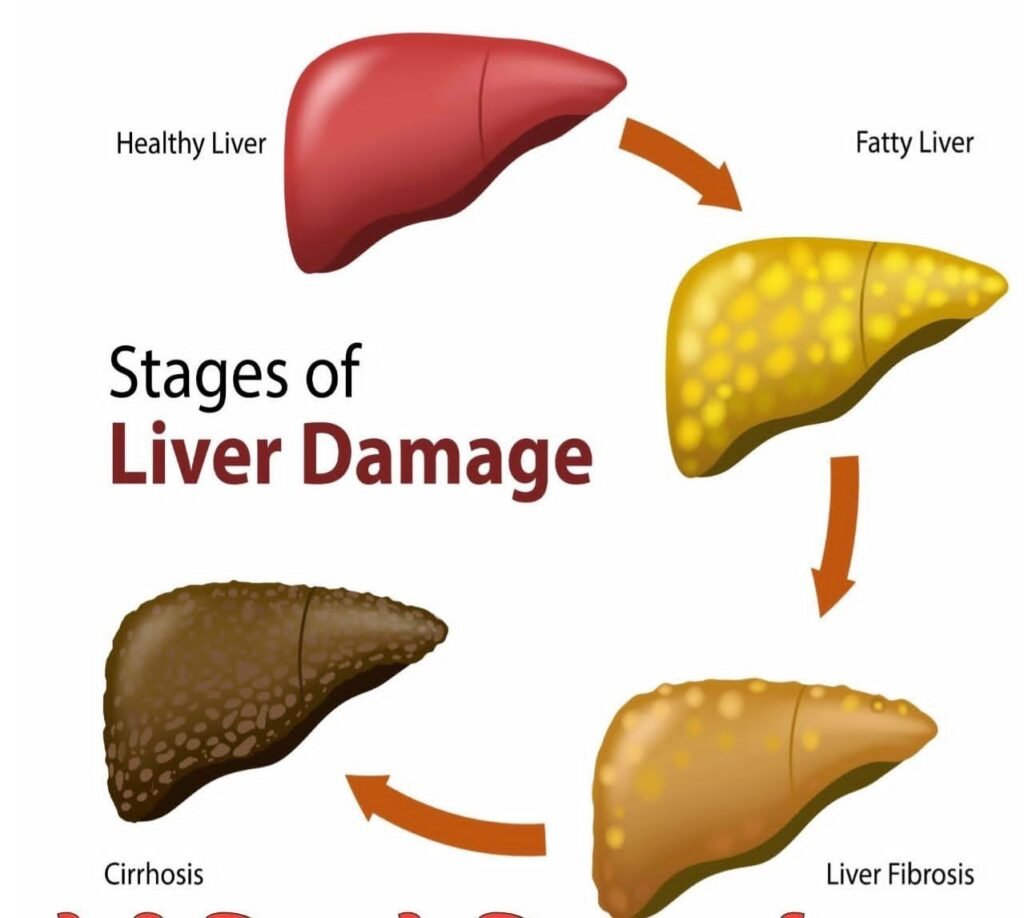
Chandigarh ( Naval Kishor): Fatty liver disease has emerged as one of the most common but often overlooked health concerns in today’s fast-paced lifestyle. Sedentary habits, irregular eating patterns, excessive consumption of sugary and fried foods, and stress contribute significantly to the buildup of fat in the liver. While the early stages of the disease often show no visible symptoms, neglecting it can lead to serious complications such as inflammation, fibrosis, cirrhosis, and even liver failure.
Understanding Fatty Liver
Fatty liver occurs when excess fat accumulates in the liver cells. Normally, the liver contains a small amount of fat, but when this exceeds 5–10% of the organ’s weight, it is classified as fatty liver disease. The condition can develop due to alcohol consumption—known as alcoholic fatty liver—or without alcohol, called non-alcoholic fatty liver disease (NAFLD).
Causes of Fatty Liver
• Excessive intake of fried and processed foods
• High consumption of sugar and refined carbohydrates
• Obesity and physical inactivity
• Diabetes and insulin resistance
• Alcohol overuse
• Chronic stress and inadequate sleep
Ayurvedic Perspective
In Ayurveda, the liver, or Yakrit, is considered a vital organ responsible for digestion and metabolic balance. Fatty liver is seen as a result of weak digestive fire (Agni), accumulation of toxins (Ama), and imbalance of the Kapha dosha. Ayurvedic treatment focuses not just on relieving symptoms, but on restoring liver function, eliminating toxins, and balancing the body’s natural energies.
Effective Ayurvedic Herbal Brew
Certain herbs have been traditionally used to support liver health, detoxify the body, and improve metabolism. A simple yet effective Ayurvedic brew can be prepared using the following ingredients:
Ingredients (for one dose):
• Land Amla – 3 g
• Giloy (dry or fresh stem) – 3 g
• Punarnava (Renew) – 3 g
• Kutki – 2 g (bitter in taste)
• Bhringraj – 3 g
Preparation Method:
1. Combine all herbs in 400 ml of water.
2. Boil on low flame until the liquid reduces to 100 ml (about one-fourth).
3. Strain and drink while slightly warm.
Consumption:
• Take on an empty stomach, 1 hour before lunch.
• Use regularly for 1–2 months for best results.
Dietary Recommendations
Along with herbal remedies, avoiding certain foods is crucial for managing fatty liver:
• Sugary and sweetened drinks: Cold drinks, packaged juices, desserts
• Fried foods: Samosas, pakoras, puris, and other oily foods
• Refined carbohydrates: White rice, refined flour, pasta, white bread
• Saturated fats: Butter, ghee (in limited amounts), red meat, processed cheese
• Excess salt: Packaged chips and highly salted foods
Lifestyle Measures
• Engage in regular physical activity and exercise
• Practice yoga and breathing exercises
• Maintain proper sleep patterns
• Manage stress effectively
Conclusion
Fatty liver is not just a lifestyle problem; it is a warning signal for deeper metabolic imbalances. A combination of Ayurvedic herbal remedies, dietary discipline, and healthy lifestyle choices can help restore liver function naturally and prevent further complications.
