

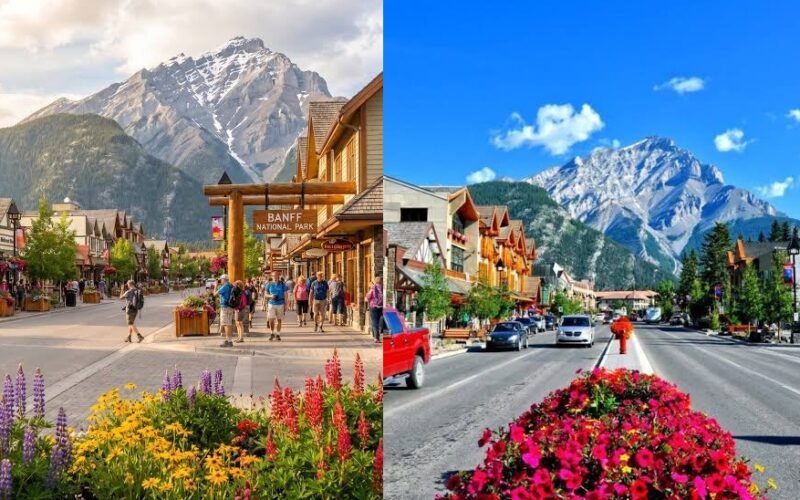
CALGARY (Rajeev Sharma): Alberta’s separation debate is raising serious questions about the future of Banff National Park, a federally administered landmark located entirely within Alberta. If the province pursued independence, the park’s ownership, administration and legal status could become major issues in constitutional negotiations.
Banff operates under federal legislation, with residents and businesses generally occupying land through federal leases. A referendum alone would not transfer the park to Alberta or end Ottawa’s authority. Under Canadian constitutional principles and the Clarity Act, a clear vote for separation would lead to negotiations, not automatic independence.
Treaty 7 adds further complexity. Signed in 1877 between the Crown and several First Nations, the treaty raises important questions about the continuing protection of Indigenous rights and federal obligations. Section 35 of the Constitution Act, 1982 recognizes and affirms existing Aboriginal and treaty rights, which could not simply be dismissed by a provincial referendum.
Banff Mayor Corrie DiManno has publicly advocated national unity ahead of the referendum debate. Ultimately, the park’s future would depend on constitutional negotiations addressing federal property, existing leases, environmental protections, park administration and Indigenous rights.
Banff highlights a central reality of Alberta’s separation debate: independence would involve far more than redrawing boundaries. It would require resolving complex legal questions affecting federal lands, Indigenous Nations, local communities and one of Canada’s most treasured national parks.
