

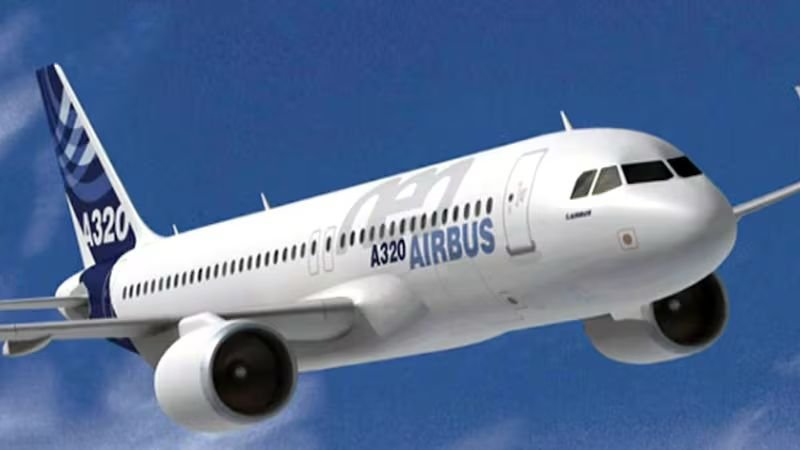
Toronto / Delhi (Rajeev Sharma / Gurpreet Singh) : Global aviation leader Airbus has issued an urgent safety directive requiring operators of its A320-family aircraft to install a critical software update before the next scheduled flight. The move comes after the discovery that intense solar radiation could potentially interfere with vital data essential to the planes’ flight-control systems.
Airbus confirmed that the issue affects the Elevator and Aileron Computer, responsible for managing the aircraft’s pitch and roll functions. The directive is expected to impact approximately 6,000 aircraft worldwide, representing roughly half of the active A320 fleet. The update, which for most planes is a straightforward software fix, can typically be completed within a few hours, though older aircraft may require hardware modifications, potentially extending their grounding period. The European Union Aviation Safety Agency (EASA) is anticipated to formalize the requirement through an Emergency Airworthiness Directive, underlining the paramount importance of passenger safety.
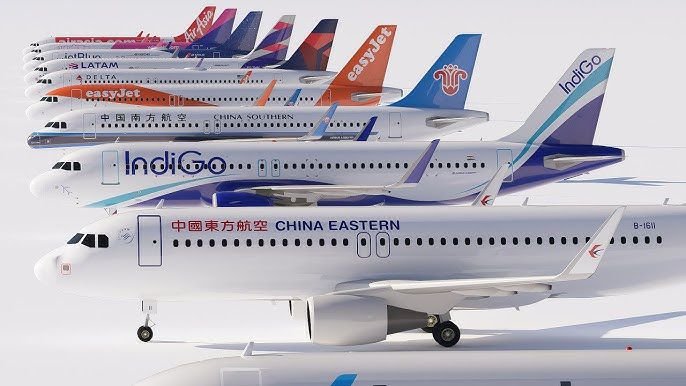
Several major airlines operating A320 jets have confirmed that they are affected by the update. American Airlines, one of the largest operators, reported that hundreds of its aircraft will undergo the mandatory update. In Australia, Jetstar has temporarily adjusted domestic flight schedules to comply with the directive. European carriers, including Lufthansa, easyJet, and Turkish Airlines, are also implementing the software update to ensure fleet safety. Avianca in Colombia stated that over 70 percent of its A320-family jets are affected, prompting the suspension of ticket sales until early December. Air New Zealand confirmed that all its A320neo jets will be updated before their next flights, with several services already cancelled. Wizz Air indicated that a portion of its fleet requires the update, potentially affecting weekend flights.

In Canada, Air Canada operates a fleet of A320-family aircraft, but according to statements to Canadian media, only a very small number of its jets use the specific software version subject to the recall. As such, Air Canada currently reports no expected operational impact.
In India, both IndiGo and Air India confirmed that multiple flights will be affected as the airlines carry out the required software upgrades, with passengers advised to check flight status before traveling. Airlines in Latin America, including Avianca, have faced temporary service disruptions while implementing the updates. Other carriers, such as United Airlines and Azul in Brazil, reported that their A320 variants are unaffected due to earlier updates or different configurations.
Airbus emphasized that no accidents have been reported related to the software issue, but the precautionary update is intended to prevent any potential disruption of flight control systems due to solar radiation. The situation underscores the increasing complexity of modern, software-dependent aircraft and highlights the importance of proactive measures to maintain safety and operational reliability across the world’s most widely used single-aisle aircraft fleet.
