

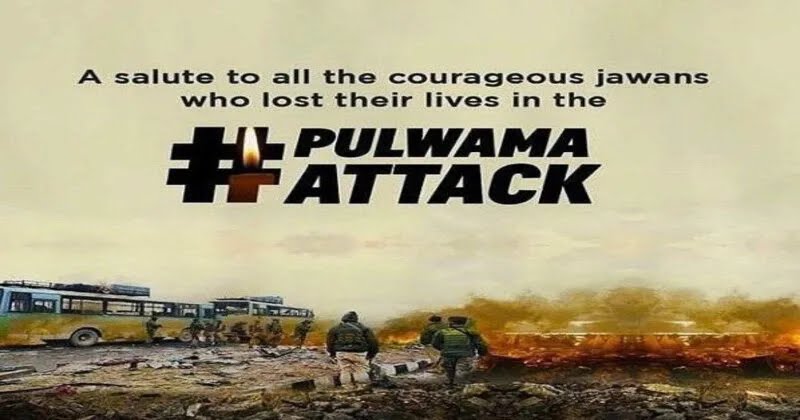
National Times Bureau :- The Pulwama terror attack remains one of the most defining and painful chapters in India’s modern security history. On February 14, 2019, a convoy of Central Reserve Police Force (CRPF) personnel travelling from Jammu to Srinagar was targeted in a suicide bombing at Lethpora in South Kashmir. An explosives-laden vehicle rammed into a bus carrying security personnel, killing 40 brave soldiers.
The attack was not merely a tragic loss of lives; it marked a turning point in India’s counter-terrorism approach. It triggered nationwide grief and outrage, forcing a fundamental shift in how India responds to cross-border terrorism.
The investigation and cross-border links
The National Investigation Agency (NIA), which led the probe, concluded that the conspiracy was linked to Pakistan-based terror outfit Jaish-e-Mohammed. Investigators found that the explosives, including RDX, had been sourced from across the border and assembled with the help of local operatives. The findings intensified diplomatic tensions and led to mounting public pressure for decisive action.
Balakot airstrike: A strategic shift
Twelve days after the attack, India carried out what became known as the Balakot airstrike. In the early hours of February 26, 2019, Indian Air Force Mirage-2000 fighter jets crossed the Line of Control and struck alleged terror training camps in Balakot, Pakistan.
This operation was widely viewed as a significant shift in India’s defence posture. For the first time, India used air power to target terror infrastructure beyond its borders, signalling a move from reactive defence to proactive deterrence.
The following day saw aerial engagements between Indian and Pakistani forces. Wing Commander Abhinandan Varthaman shot down a Pakistani F-16 aircraft but was captured after his own jet crashed across the border. His return to India within days, following intense diplomatic efforts, further underscored the heightened tensions between the two nations.
Diplomatic and economic measures
Beyond military action, India launched a coordinated diplomatic campaign. Pakistan’s Most Favoured Nation (MFN) trade status was withdrawn, and import duties on Pakistani goods were sharply increased.
Internationally, India pushed for stronger scrutiny of terror financing networks. The Financial Action Task Force (FATF) placed Pakistan on its “grey list,” increasing pressure on Islamabad to act against extremist funding. In a significant diplomatic win, Jaish-e-Mohammed chief Masood Azhar was later designated a global terrorist by the United Nations Security Council despite earlier hurdles.
Internal security reforms
The long-term impact of Pulwama has been visible in India’s internal security framework. Protocols governing the movement of security convoys in Jammu and Kashmir were revised. Greater reliance on air transport for personnel movement, stricter road clearance measures, and enhanced intelligence coordination were introduced.
Technological upgrades, including smart fencing along borders and expanded drone surveillance, were accelerated. Counter-terror operations in Jammu and Kashmir intensified, leading to the neutralisation of several local and foreign militants.
A day of remembrance
Today, February 14 is observed across India as a day of remembrance for the fallen soldiers. While much of the world marks the date as Valentine’s Day, in India it carries the weight of sacrifice and national resolve.
At the memorial built in Lethpora, senior CRPF officials and personnel gather each year to pay tribute to their comrades. The monument stands as a reminder of the cost of terrorism and of India’s declared policy of striking at its source.
Seven years on, Pulwama continues to influence India’s defence strategy and diplomatic posture. It was a tragedy that reshaped policy, hardened resolve, and redefined the country’s response to terror.
