

Calgary (Rajeev Sharma): The Alberta government has introduced new legislation proposing changes to road safety regulations, commercial trucking enforcement, bicycle lane planning and municipal transit development. Bill 43, the *Safe and Sensible Roads Act, 2026*, seeks to update the *Traffic Safety Act* and the *Urban Rail Transit Act* to address changing transportation needs and improve coordination between provincial and municipal authorities.
The proposed legislation would establish clearer guidelines for municipal bike lanes, increase penalties for unsafe commercial trucking operators and introduce provincial safety requirements for personal micromobility devices such as e-scooters and Segways. It would also expand provincial oversight of municipal Light Rail Transit (LRT) projects to ensure better planning, safety and accountability in the use of public funds.
Transportation and Economic Corridors Minister Devin Dreeshen said Alberta’s transportation laws must evolve alongside population growth and new mobility technologies. He said the proposed amendments would strengthen accountability, improve road safety and ensure major infrastructure projects deliver value for taxpayers.
**New rules for municipal bike lanes**
Under Bill 43, municipalities would face clearer requirements when planning bicycle lanes that reduce road capacity available to motor vehicles. The proposed provisions would also allow the removal of existing bike lanes that have reduced vehicle capacity.
The government said municipalities would need to consider the broader impact of such infrastructure on traffic movement, daily commuters, emergency response services and the transportation of goods. The province intends to work with municipal authorities to develop connected cycling networks while maintaining the efficiency of the wider road system.
**Higher penalties for unsafe trucking companies**
The legislation proposes tougher enforcement measures against commercial trucking operators responsible for serious or repeated safety violations.
The maximum fine for major commercial vehicle incidents, including bridge strikes and repeated safety breaches, would rise fivefold from $10,000 to $50,000. Authorities would also receive powers to downgrade a driver’s licence to a specific class or impose additional conditions where necessary.
To strengthen transparency, the proposed amendments would allow public disclosure of information about individuals and businesses that fail to comply with safety regulations. This could include commercial carriers, drivers, driving schools, examiners, instructors, vehicle inspection facilities, technicians, company owners and corporate directors.
**Provincial safety standards for e-scooters and other devices**
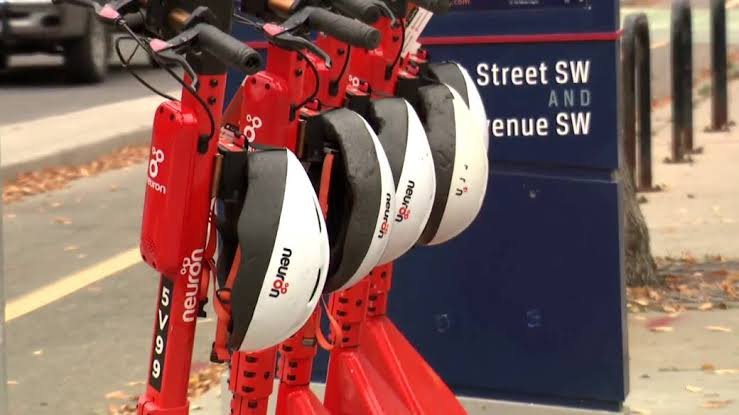
Bill 43 would also introduce a provincial regulatory framework for personal micromobility devices (PMDs), including privately owned and rented electric scooters, Segways, one-wheels and similar electric transportation options.
The proposed amendments would give the provincial government authority to establish minimum safety standards for these devices. Municipalities would be able to permit both privately owned and rental PMDs while introducing local regulations that meet or exceed provincial requirements.
Further details about the safety framework and minimum standards are expected in early 2027, with the proposed legislation scheduled to take effect on April 1, 2027.
**Greater provincial oversight of municipal LRT projects**
Another key aspect of the proposed legislation concerns the planning and development of municipal Light Rail Transit infrastructure. As a major financial contributor to municipal LRT projects, the Alberta government wants stronger coordination with local authorities to ensure investments meet provincial transportation priorities.
Amendments to the *Urban Rail Transit Act* would expand provincial oversight across several stages of LRT development, including project planning, design, construction and delivery, asset management and passenger safety infrastructure.
The proposed changes would also require municipal transit development to align with Alberta’s broader transportation and economic objectives, including the Passenger Rail Master Plan. This includes advancing plans for a high-speed rail connection between downtown Calgary and downtown Edmonton.
Through Bill 43, the provincial government aims to establish a more coordinated transportation framework that addresses road safety, emerging mobility options and major transit investments while responding to Alberta’s growing infrastructure requirements.
