

Calgary (Rajeev Sharma): The dispute arose from a citizen-led petition seeking a referendum on Alberta’s separation from Canada. Several First Nations challenged the process, arguing that Alberta had failed to meet its constitutional duty to consult Indigenous communities before allowing the initiative to proceed.
In May, Court of King’s Bench Justice Shaina Leonard ruled that the government had not fulfilled that duty and overturned Elections Alberta’s approval of the petition. The ruling did not decide whether Alberta could legally separate from Canada. It also did not determine whether voters could support or reject separation in a referendum. Instead, it addressed whether the province had met its constitutional obligations before approving the petition.
The duty to consult under section 35 of the Constitution Act, 1982, may require governments to notify affected First Nations, share information, hear their concerns and, where warranted, adjust a proposed action. It does not automatically require agreement or create a veto. The required level of consultation depends on the strength of the claimed rights and the potential impact on them.
The parties disagree over whether approving a citizen-initiative petition is government conduct capable of affecting Indigenous rights and, if so, when consultation was required. The possible stages include the approval of the petition, an earlier point in the process, or a later stage if the initiative led to a referendum or subsequent government action. The government argues that consultation should not be required while citizens are merely collecting signatures, before any referendum or other rights-affecting government action occurs.
The Smith government appealed Justice Leonard’s decision. Justice Minister Mickey Amery said the province believes the judgment contains errors of law and that appellate review is needed to clarify when consultation applies to citizen-led initiatives.
The case includes two independent appeals, which address different issues. The provincial appeal challenges Justice Leonard’s finding that the government’s consultation was inadequate. Alberta is asking the appeal court to reconsider whether the duty to consult applied at this stage of the petition process and whether the consultation that occurred was legally sufficient.
A separate appeal by the petition organiser challenges other aspects of the ruling concerning Elections Alberta’s approval of the petition and the legal consequences of the judge’s decision. That appeal is not simply a second version of the province’s appeal and does not necessarily advance the same constitutional arguments.
If Alberta withdraws its appeal, the organiser’s appeal could continue. The courts could still consider whether Elections Alberta lawfully approved the petition and what legal effect Justice Leonard’s ruling should have. However, the organiser’s appeal would not necessarily resolve the province’s separate arguments about whether approving the petition triggered a duty to consult or whether the consultation provided was adequate. Those questions could remain unresolved unless they are properly raised and decided in the continuing proceedings.
The court’s ruling also did not decide whether a future separation referendum would be legally binding, whether Alberta has a unilateral right to leave Canada or what constitutional steps would be required for separation. Those questions were outside the immediate issue before Justice Leonard, which concerned the petition’s approval and the consultation process.
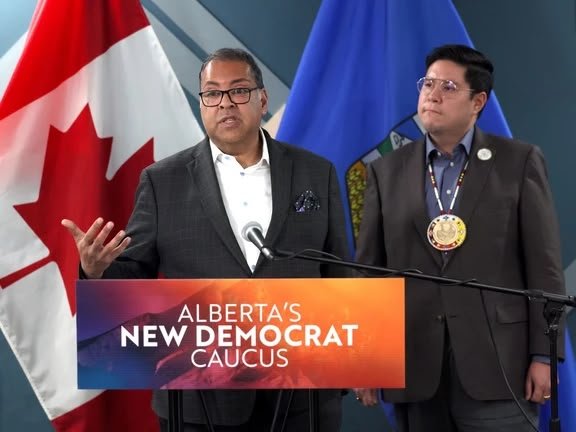
The dispute continued as Alberta held its October 19 referendum. Unofficial results showed voters supported remaining in Canada. NDP Leader Naheed Nenshi said the result should prompt the government to end its appeal.
“The First Nations are spending money on lawyers, we taxpayers are spending money on lawyers, let’s listen to what Albertans said on Monday and just drop it,” Nenshi said at a news conference.
Nenshi and First Nations leaders argue that continuing the litigation will impose further costs on taxpayers and Indigenous communities while prolonging a political initiative voters rejected. Siksika Nation Chief Samuel Crowfoot said ending the appeal could help rebuild trust, while Athabasca Chipewyan First Nation Chief Allan Adam questioned the need to continue after the referendum result.
The government maintains that the vote did not resolve the legal issues. It says abandoning the provincial appeal could leave important constitutional questions unanswered and create uncertainty for future petition, referendum and government processes. The referendum result may have settled the political question of whether Albertans supported separation at that time, but it did not determine whether the government complied with its duty to consult or establish the legal rules governing future initiatives.
The case therefore extends beyond the separation campaign. It concerns the constitutional limits of provincial citizen-initiative procedures, Elections Alberta’s role and the point at which government involvement may trigger a duty to consult. Nenshi and Indigenous leaders want the government to respect Justice Leonard’s ruling and avoid further expense. The Smith government maintains that appellate review is necessary. The provincial appeal and the petition organiser’s separate appeal will determine which of those issues remain before the courts and which, if any, are ultimately decided.
