

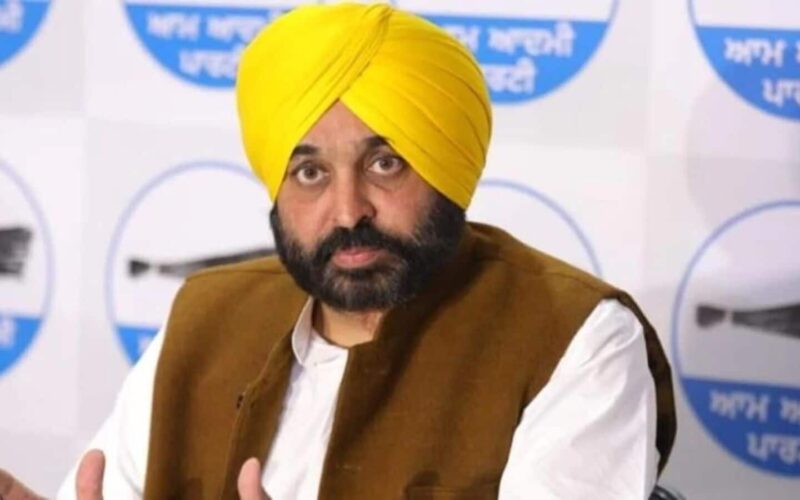
Chandigarh (Gurpreet Singh): The Punjab government has secured relief from the Punjab and Haryana High Court in its legal challenge to the Centre’s refusal to grant political clearance for Chief Minister Bhagwant Mann’s proposed visit to France. The trip was planned around an international food exhibition in Paris, where Punjab intended to promote its agricultural and processed food products to overseas buyers.
Mann was scheduled to lead a state delegation to Paris from October 15 to 21, 2026. The proposed visit was linked to SIAL Paris 2026, an international food industry exhibition scheduled during that period.
The state government moved the High Court after the Ministry of External Affairs (MEA) declined to grant the required political clearance. Punjab argued that the decision had been taken without providing reasons, despite the preparations made for the official delegation.
According to the latest update, the High Court allowed the Punjab government’s petition after hearing arguments from both sides.
Why Did Punjab Move The High Court Over Mann’s France Visit?
The dispute centres on the refusal of political clearance for the chief minister’s proposed overseas visit.
In its petition, the Punjab government maintained that it had completed the required formalities and initiated the clearance process in advance. It argued that the MEA’s decision was communicated through the online clearance system without an explanation.
The state also submitted that arrangements for the delegation had already been made and that the trip was intended to serve commercial and economic interests rather than a personal purpose.
Punjab sought judicial intervention against the Centre’s decision, arguing that the denial had disrupted the planned programme and raised questions about the process used to assess requests for official foreign visits by state leaders.
These claims formed the basis of the state’s challenge before the High Court.
What Was Bhagwant Mann’s Delegation Supposed To Do In Paris?
The proposed visit was connected to SIAL Paris 2026, a major international exhibition for the food industry. Punjab planned to use the platform to showcase products from its agricultural and food-processing sectors and explore opportunities to increase exports.
Markfed, the Punjab State Cooperative Supply and Marketing Federation Limited, was expected to be among the key organisations represented at the event. Its participation was intended to introduce Punjab’s products to international buyers and establish business connections in overseas markets.
The state’s proposed programme also involved engagements with potential buyers, importers and industry representatives. The government argued that the visit could help strengthen commercial relationships and expand the reach of Punjab’s products.
The state maintained that the trip had a defined economic purpose and that the necessary arrangements had already been undertaken.
Why Did The Centre Oppose Punjab’s Petition?
The Centre opposed the state government’s plea by citing security concerns.
According to the arguments described in the supplied report, the Centre referred to intelligence inputs indicating potential threats against Mann from radical groups operating abroad. It also raised concerns about the challenges of ensuring security at a crowded international exhibition.
The Centre’s position was that these security considerations were relevant to the decision on political clearance. The state, meanwhile, challenged the refusal and questioned the absence of reasons in the communication denying its request.
The competing arguments placed the assessment of security risks and the process for granting political clearance at the centre of the legal dispute.
What Does The High Court’s Decision Mean?
The Punjab and Haryana High Court has allowed the state government’s petition, according to the latest update. However, the exact effect of the ruling depends on the operative directions recorded in the court’s order.
The distinction matters because allowing a petition does not automatically establish whether the Centre has been directed to issue clearance, reconsider the request or take another specific step. The order must be examined before stating that Mann’s visit has been cleared or that the trip can proceed.
The proposed travel dates began on October 15, making the timing of the ruling particularly significant. The final status of the visit and any directions issued to the MEA should be confirmed from the court’s order and subsequent official communication.
