

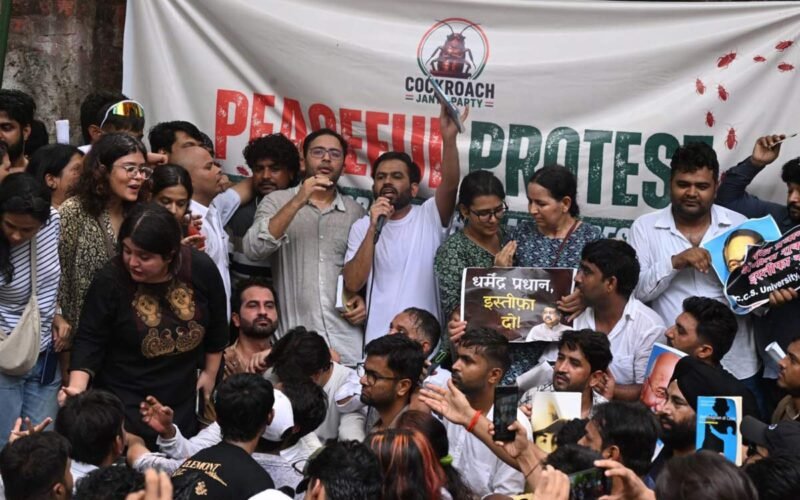
STUDENTS NEED JUSTICE, NOT CHAOS: DON’T LET POLITICS DESTROY THEIR FUTURE
Delhi (Gurpreet Singh): India’s students are the backbone of the nation’s future. Their concerns about examination irregularities, transparency, and employment opportunities deserve serious attention and a fair response from authorities. When young people spend years preparing for competitive exams, any question about fairness in the system naturally creates frustration and anger.
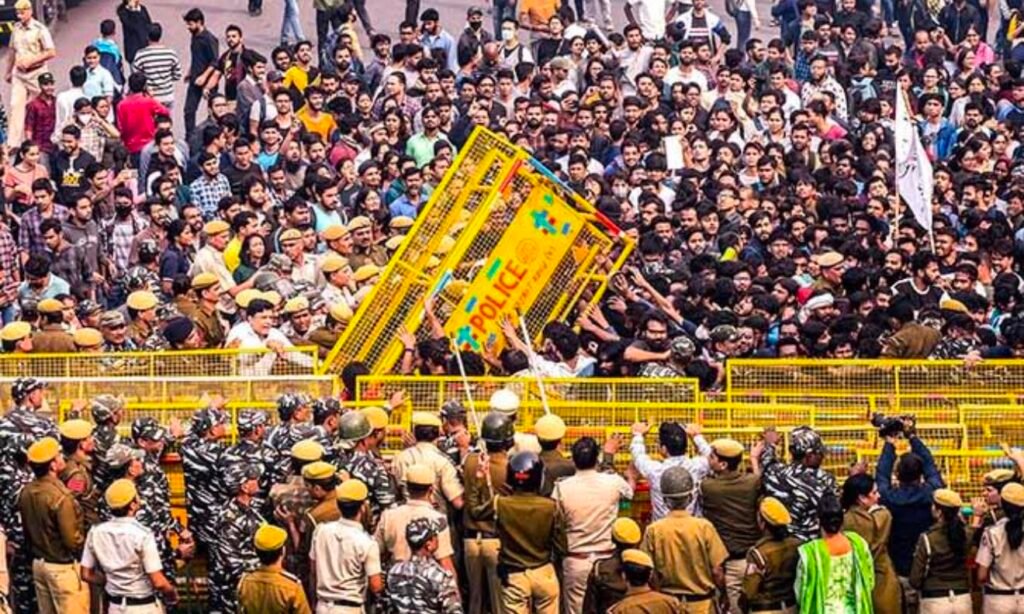
However, a peaceful student movement can lose its purpose when it becomes a platform for confrontation, violence, or political battles. The moment a protest moves away from dialogue and enters the space of lawlessness, the biggest damage is not suffered by politicians it is suffered by the students themselves. A student’s future depends on education, discipline, and opportunities, not on clashes, destruction, or criminal cases. Those who encourage young people to cross legal boundaries must understand that the consequences often remain with the students long after political leaders move on to other issues. A protest that begins with genuine concerns can lose public sympathy if violence and disorder become part of the movement.
The role of political parties in public movements has always been debated in a democracy. While political support can bring attention to important issues, there is also a responsibility to ensure that student concerns are not used as a tool for political competition. Genuine grievances should not become a battlefield where young people are caught between different interests. At the same time, the government has a duty to listen to students, investigate allegations transparently, and strengthen confidence in the education system. A strong democracy requires both accountability from authorities and responsibility from citizens.
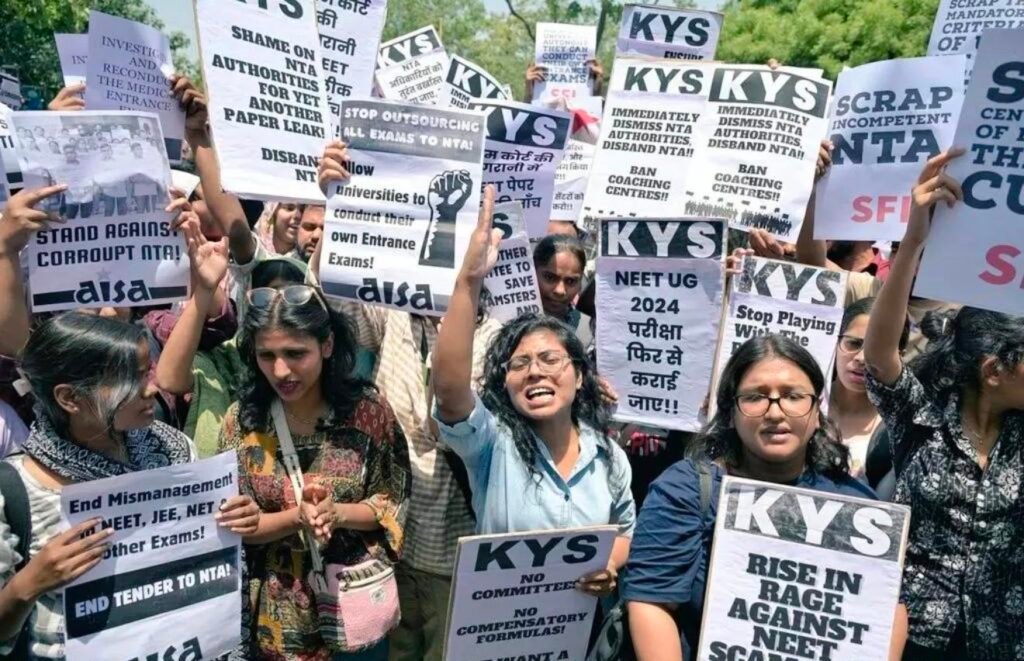
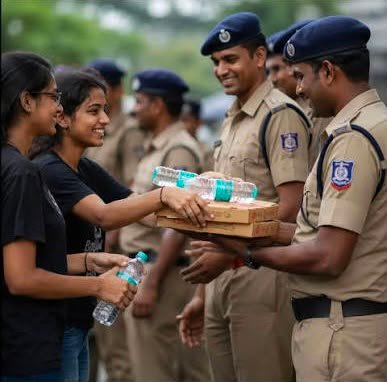
The nation must not allow the future of its youth to be damaged by anger, misinformation, or unlawful actions. Students should have the freedom to raise their voices, but they should also protect their own careers and futures by ensuring that their movement remains peaceful and constitutional. India needs solutions, not chaos. The focus must remain on improving the education system, protecting students’ rights, and ensuring that no young person becomes a victim of political conflict or unnecessary legal trouble.
Delhi ( Gurpreet Singh/ Rajeev Sharma): India’s students have every right to raise their voices on issues affecting their education, examinations, and future opportunities. Concerns about transparency, fairness, and accountability in the education system deserve serious attention from authorities. However, the biggest challenge facing any student movement is ensuring that the original purpose is not overshadowed by political agendas and unrelated controversies.
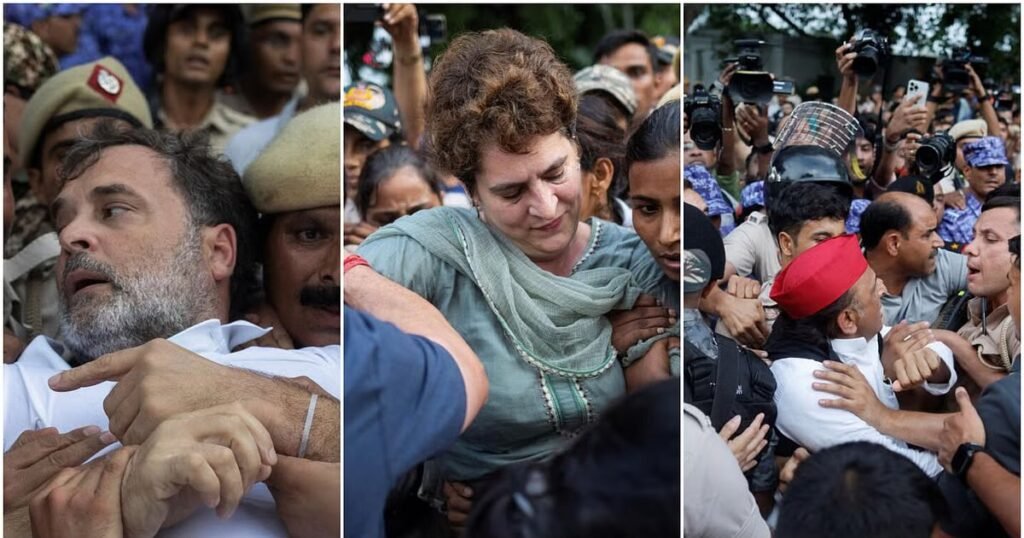
In recent protests, political leaders and opposition groups have joined the demonstrations, bringing wider political issues into a movement that began around student-related concerns. Critics argue that bringing unrelated matters, including debates around Article 370 in Jammu and Kashmir and opposition to issues such as the Special Intensive Revision (SIR) of electoral rolls, risks shifting the focus away from the core demands of students.
Supporters of political involvement argue that opposition parties have the right to raise public issues and stand with citizens. However, critics question whether student platforms are being used as a stage for political visibility rather than keeping the spotlight on education reforms and students’ genuine concerns.
Another growing concern is the presence of people at large demonstrations whose connection to student issues may be unclear. While claims about non-students participating have circulated widely, such allegations require proper verification. Large public gatherings often include supporters, political activists, community members, and others who may not be directly connected to the original cause.
The danger is that when outside interests dominate a student protest, young people may become the face of a larger political struggle while carrying the consequences themselves. If a peaceful movement turns into clashes, unlawful activities, or public disorder, it is students who risk facing legal consequences and damage to their academic and professional futures. A protest should remain a platform for solutions, not a stage where every political conflict is brought together. Students deserve a movement focused on education, fairness, and their future not a battlefield for competing political interests.
India’s youth need opportunities, not distractions. Their voices must be respected, their concerns must be addressed, and their future must not become a casualty of political competition.
