

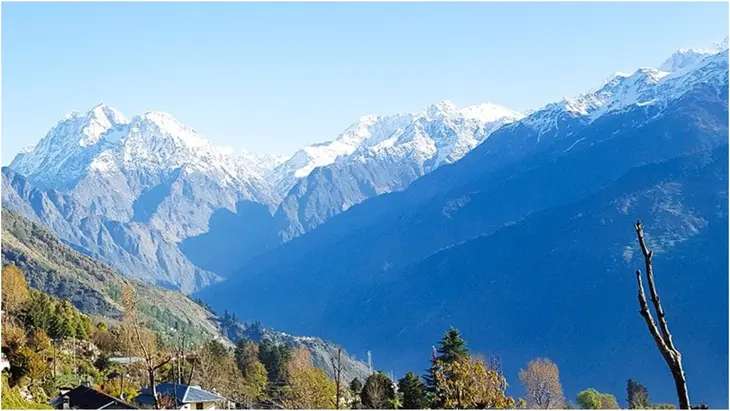
Shimla (Rajeev Sharma): The cool mountain climate that has long defined Shimla may be gradually changing as urban expansion continues to reshape the city. A recent assessment has found that land surface temperatures in several parts of the Himachal Pradesh capital have climbed noticeably over the past ten years, prompting calls for climate-sensitive planning and stronger environmental safeguards.
The findings emerged from a study carried out jointly by the Shimla Municipal Corporation and German development agency GIZ. Researchers recorded temperature increases ranging between 1.7°C and 2.5°C across different urban pockets, highlighting the growing influence of the Urban Heat Island effect.
The phenomenon occurs when densely built areas become warmer than nearby natural surroundings due to the concentration of heat-retaining surfaces. According to the report, the replacement of vegetation with roads, buildings and other infrastructure has contributed significantly to rising temperatures within the city.
Investigators observed that materials commonly used in urban construction, including asphalt, concrete and metal roofing, absorb large amounts of solar energy during the day and slowly release it later, leading to higher temperatures. The study also identified poor air circulation between closely packed structures as a factor that amplifies heat accumulation.
Environmental experts warn that continued warming could place additional pressure on the city’s natural resources and urban infrastructure. Increased temperatures may lead to higher energy consumption, affect public comfort and alter local ecological conditions if mitigation efforts are not introduced in time.
To address the challenge, the report recommends expanding green cover throughout the city. Measures such as developing urban forests, creating new public parks and encouraging rooftop gardens could help reduce heat retention while improving overall environmental quality.
The study also suggests incorporating water-based cooling features into urban spaces. Small lakes, ponds and fountains can help lower surrounding temperatures through natural evaporation, particularly during warmer months.
Another proposal involves encouraging the use of reflective roofing materials designed to minimise heat absorption. Researchers believe such measures, combined with permeable pavements and climate-conscious urban design, could help curb future temperature increases.
The report further underlines the importance of reducing emissions through greater use of public transportation and increased public participation in sustainability initiatives. Long-term planning, it says, must integrate climate resilience into future development decisions.
Commenting on the findings, Dr. Bhuwan Sharma, Joint Commissioner of the Shimla Municipal Corporation, said the civic body is committed to preserving the environmental character of the hill town while meeting development needs. He noted that ₹74.49 crore has been allocated under the Climate Tool Budget for 2026-27 to support projects related to conservation, water resources, waste management and sustainable urban development.
Officials said policy interventions based on the study’s recommendations are being examined, while additional environmental assessments are underway. The outcomes of these studies are expected to guide future efforts aimed at protecting Shimla from the growing impacts of climate change and urban warming.
As development continues across the hill station, the report serves as a reminder that managing growth and preserving ecological balance will be critical to maintaining Shimla’s identity as one of India’s most cherished mountain destinations.
