

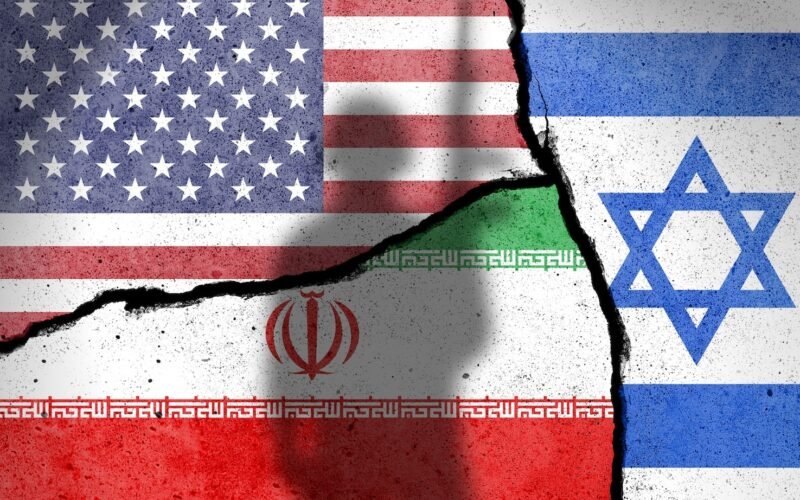
Washington/Tehran (Rajeev Sharma): Hopes for a diplomatic breakthrough between the United States and Iran remain uncertain after President Donald Trump announced the suspension of planned military action, while Iranian officials maintained that negotiations have not yet reached a final stage.
Speaking from the White House and later through social media, Trump said he had ordered a halt to scheduled strikes after receiving indications that Iran’s top leadership had endorsed a proposed framework aimed at reducing tensions. He described the negotiations as being in an advanced phase and expressed confidence that a broader understanding could soon be reached.
The proposed arrangement is believed to include extending the existing ceasefire, reopening the Strait of Hormuz for international shipping, and beginning a 60-day round of talks focused on Iran’s nuclear activities and regional security issues.
Despite the optimistic tone from Washington, officials in Tehran adopted a more restrained position. Iranian media reports quoted sources involved in the negotiations as saying that no draft agreement has received formal approval and that discussions are continuing over several unresolved issues.
Iran’s Foreign Ministry indicated that while negotiations have made progress, key differences remain. Officials stressed that any agreement must respect the country’s established negotiating principles and that no final political decision has yet been taken.
Reports from diplomatic circles suggest mediators have been working to bridge differences related to sanctions relief, the future operation of the Strait of Hormuz, and the roadmap for future nuclear negotiations. Although progress has reportedly been made, the final outcome remains uncertain.
Analysts believe the contrasting statements from both capitals reflect ongoing efforts to manage domestic and international expectations while sensitive negotiations continue behind closed doors.
The latest developments have temporarily eased fears of an immediate military escalation, but the absence of a mutually confirmed agreement means the situation remains fluid. Observers say the coming days will be crucial in determining whether diplomacy succeeds in replacing confrontation with sustained dialogue.
Until an official accord is jointly announced, both sides appear to be keeping their options open while continuing negotiations through regional intermediaries.
