

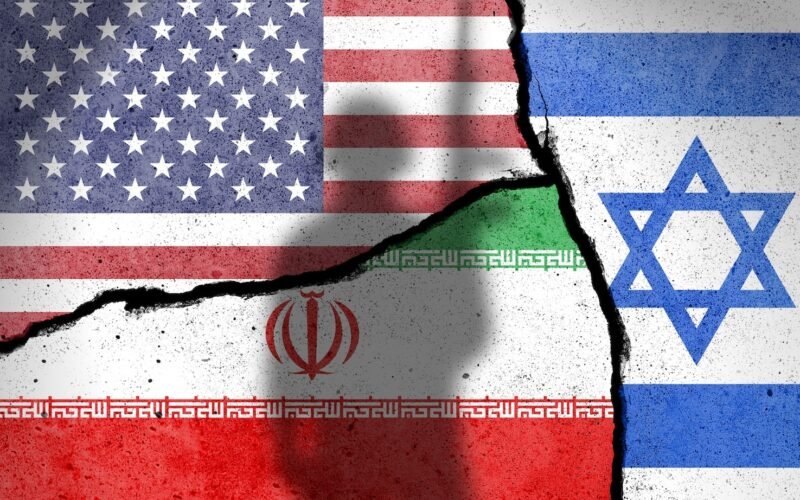
Islamabad (Rajeev Sharma): Fresh uncertainty has emerged over the second round of Iran-US negotiations expected in Islamabad, with conflicting signals from both sides raising questions about whether the talks will proceed as planned.
The United States has indicated that preparations for the meeting are underway, with Vice-President JD Vance reportedly set to lead a senior delegation. The team is said to include key figures such as envoy Steve Witkoff and adviser Jared Kushner, although reports about their departure for Pakistan remain inconsistent.
US President Donald Trump has sought to play down speculation about a possible breakdown in talks, suggesting that both countries are expected to honour their commitments. He also signalled openness to engaging directly with Iranian leadership if the negotiations yield progress.
Tehran, however, has adopted a more guarded approach. Iranian President Masoud Pezeshkian highlighted deep-rooted mistrust toward Washington, pointing to recent developments, including the reported blockade in the Strait of Hormuz, as a major sticking point. He emphasized that Iran would not engage under pressure or coercion.
Reinforcing this stance, Foreign Ministry spokesperson Esmaeil Baghaei said there were currently no firm plans for Iran to join the upcoming discussions, citing what he described as inconsistent signals from the US side.
At the same time, Iranian Parliament Speaker Mohammad Bagher Ghalibaf indicated that diplomatic engagement had not been completely halted, while warning that Iran remains prepared to respond if tensions intensify.
The backdrop to the uncertainty is a fragile ceasefire that is nearing its end, increasing pressure on both sides to find common ground. The first round of talks in Islamabad earlier this month ended without a breakthrough after prolonged discussions failed to resolve key disputes.
Analysts believe that major differences over regional security issues and military actions continue to hinder progress. Iran has linked negotiations to developments involving Israel, while US measures at sea have further complicated trust between the two sides.
Pakistan remains central to ongoing diplomatic efforts, maintaining contact with both Washington and Tehran in an attempt to keep negotiations alive. While uncertainty continues to cloud the situation, observers say there is still a possibility that last-minute efforts could bring both parties back to the table.
