

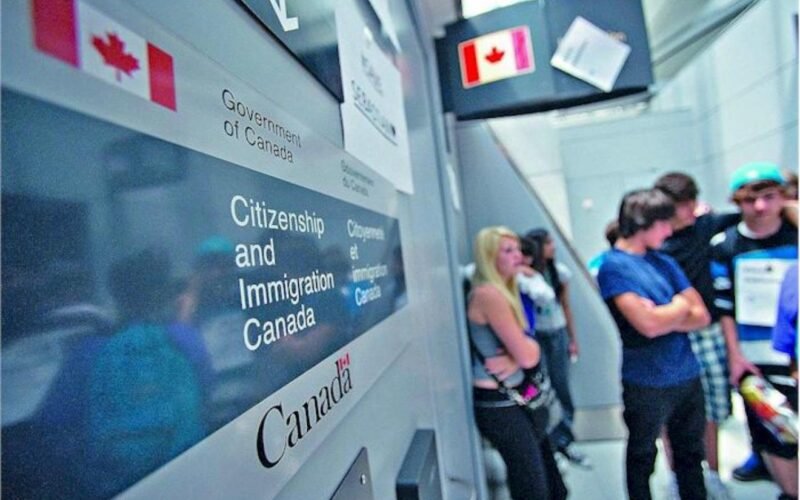
Ottawa (National Times Bureau): Canada’s immigration system is entering a new and controversial chapter with the passage of Bill C-12, a law that significantly expands federal authority while tightening key pathways for newcomers and asylum seekers. Framed by the government as a necessary modernization, the legislation is being viewed by critics as a power shift that could reshape how immigration decisions are made and who gets to stay.
At the heart of the bill is a major structural change: the federal government now has the authority to pause, cancel, or terminate immigration and visa applications if deemed to be in the “public interest.” This includes cases linked to fraud, national security threats, or public health risks. While Ottawa argues this flexibility is critical in an unpredictable global climate, legal experts caution that such broad powers may introduce uncertainty and reduced accountability into a system that already faces heavy backlogs. Another defining feature of Bill C-12 is its direct impact on the asylum system. For the first time, a strict one year deadline has been introduced for filing refugee claims after arrival in Canada. Supporters say this will encourage timely applications and reduce misuse, but refugee advocates warn it could exclude vulnerable individuals who may need more time to understand or access the system.
Equally significant and more controversial are the new restrictions on irregular border crossers, particularly those entering outside official checkpoints. The law could render some of these individuals ineligible to claim asylum, marking a clear policy shift from Canada’s historically more open stance. The retroactive application of these rules to claims made after June 2025 has intensified the debate. Legal analysts describe this as an unusual and potentially contentious move that may face court challenges.
“Retroactive immigration rules raise serious fairness concerns and could be tested under constitutional law,” one policy expert noted.
Beyond immigration processing, Bill C-12 also opens the door to expanded data sharing between government agencies and in certain situations, with foreign governments. Officials defend this as essential for security screening and fraud detection. However, privacy advocates are sounding alarms over the scope, oversight, and long term implications of sharing sensitive personal information beyond Canada’s borders.
Multiple Angles: What This Means for Canada, For Applicants: Thousands of current and future applicants could face delays, cancellations, or stricter eligibility checks, making the process less predictable than before.
For Asylum Seekers: The new rules may limit access to protection, particularly for those entering irregularly or those unable to file claims within the one-year window.
For the Government: Ottawa gains greater control and faster response capability, allowing it to act decisively in cases involving fraud or national risk.
For Legal & Human Rights Groups:
The bill raises pressing questions about fairness, transparency, and compliance with international refugee obligations.
For Public Debate: Bill C-12 is quickly becoming a flashpoint in Canada’s broader conversation about immigration levels, border control, and national identity.
Despite the sweeping changes, some relief pathways remain. Individuals facing removal may still apply for protection under the Pre-Removal Risk Assessment (PRRA) process. However, experts emphasize that this is a limited safeguard, not a substitute for a full asylum hearing. Looking ahead, the legislation includes a mandatory parliamentary review within five years, suggesting the government anticipates continued scrutiny and possible revisions.
As implementation begins, Bill C-12 stands as a defining moment one that tests Canada’s long-standing balance between welcoming newcomers and safeguarding national interests. Whether it strengthens the system or deepens divisions will depend on how these new powers are exercised in the months and years to come.
