

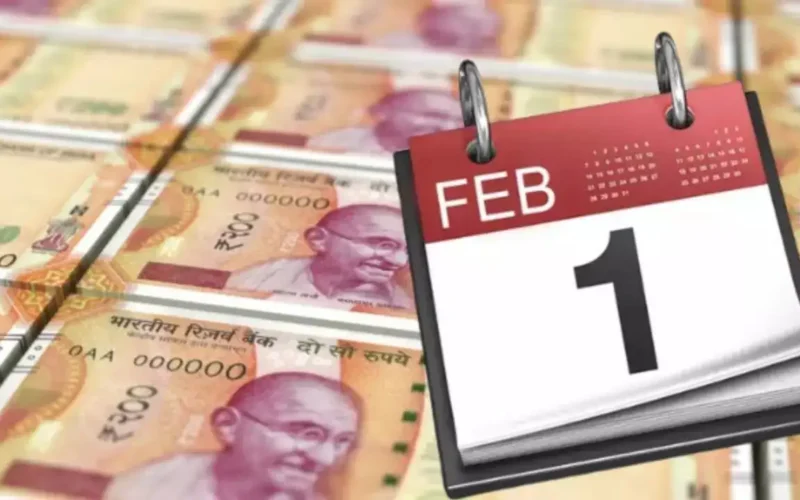
New Delhi (Rajeev Sharma): Several financial, regulatory and pricing revisions came into force across India on Sunday, bringing a combination of relief and added burden for consumers, businesses and commuters. While some measures are expected to ease costs for motorists and air travelers, others will tighten household and commercial budgets through higher taxes and price increases.
One of the most noticeable changes is the steep rise in cigarette and tobacco prices. As per the revised tax framework notified earlier, products such as pan masala, gutkha and khaini are now taxed at a flat 40 per cent under the Goods and Services Tax (GST), replacing the earlier structure of 28 per cent GST along with a compensation cess. Cigarettes have also been placed under a new excise duty regime linked to stick length, with duties ranging between ₹2.05 and ₹8.50 per stick. Since GST is applied on the price inclusive of excise duty, retail cigarette prices are expected to increase by nearly 15 to 40 per cent. Bidi consumers, however, have received some relief, with GST on bidis reduced to 18 per cent.
Commercial establishments have also been hit by a fresh hike in fuel costs. Oil Marketing Companies have raised the price of 19-kg commercial LPG cylinders by ₹49 with effect from February 1, affecting hotels, restaurants and other businesses. Domestic consumers, however, have been shielded from the increase, as the price of the 14.2-kg household LPG cylinder remains unchanged at ₹853. The previous revision in domestic LPG prices was a ₹50 increase implemented in April 2025.
Motorists have received some respite following changes to Fastag regulations. The National Highways Authority of India has withdrawn the mandatory Know Your Vehicle (KYV) verification requirement. Owners of private vehicles will no longer need to undergo routine KYV checks if their Fastag is valid. Authorities clarified that verification will now be conducted only in specific cases, such as complaints of misuse or errors in tag issuance.
Property buyers and sellers in Uttar Pradesh and Karnataka will have to comply with stricter norms, as Aadhaar-based biometric authentication has been made compulsory for property registration. Buyers, sellers and witnesses will be required to verify their identity at sub-registrar offices. The measure aims to prevent benami deals and curb property-related fraud, and forms part of the Centre’s proposed “One Nation, One Registration” initiative.
Air travellers may also benefit from a reduction in operational costs for airlines, following a cut of around ₹1,000 per kilolitre in aviation turbine fuel prices. In the national capital, ATF prices have dropped to ₹91,393.39 per kilolitre, a move that could eventually help stabilise or reduce airfares.
Meanwhile, borrowers are closely watching the upcoming meeting of the Reserve Bank of India’s Monetary Policy Committee, scheduled between February 4 and 6. Market expectations are centred on a possible 25-basis-point reduction in the repo rate, which could bring it down to 5 per cent and lead to lower loan EMIs, following the rate cut announced in December.
