

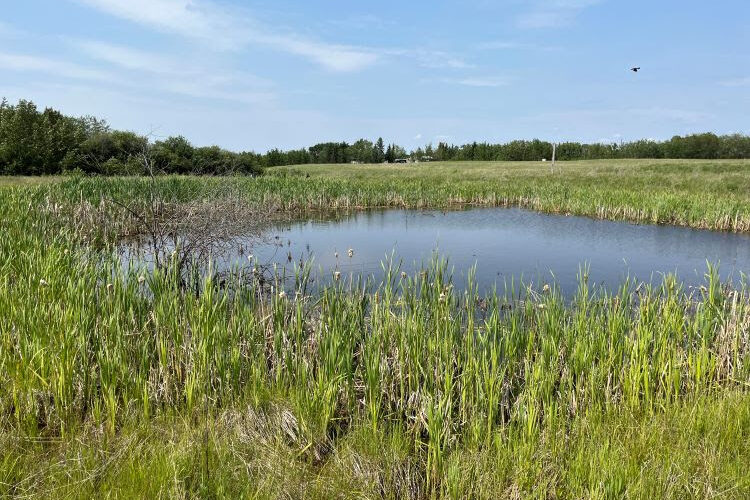
Calgary (Rajeev Sharma): Alberta is stepping up efforts to protect communities from flooding and drought with a fresh investment aimed at restoring wetlands across the province. The provincial government has committed $5.3 million to create 67 hectares of new wetlands in central and southern Alberta, reinforcing natural water systems while supporting wildlife and local ecosystems.
Funded through the Wetland Replacement Program, the initiative covers seven projects that will convert degraded or altered landscapes into fully functioning wetlands. Officials say the restored areas — together spanning roughly five times the size of West Edmonton Mall — will play a critical role in managing water during extreme weather events.
Wetlands are widely recognised for their ability to absorb excess water during heavy rainfall and release it slowly during dry periods. They also help filter pollutants from runoff, recharge groundwater supplies and provide habitat for a wide range of plant and animal species.
Environment and Protected Areas Minister Grant Hunter said restoring wetlands is among the most cost-effective ways to reduce long-term risks from floods and droughts. He added that collaboration with municipalities, conservation groups and landowners is key to ensuring restoration happens where it can have the greatest impact.
Several municipalities and conservation organisations are directly involved in the projects. In Strathcona County, former industrial end pit lakes will be transformed into wetlands designed to store and naturally clean water near the North Saskatchewan River. Mayor Rod Frank said the partnership with the province will help restore landscapes that benefit residents, wildlife and the broader environment.
Another project at the Ann & Sandy Cross Conservation Area focuses on improving watershed health by restoring wetlands to boost biodiversity and water quality. The conservation area’s chief executive officer, Ryan Caswell, said the investment aligns with long-standing commitments to land stewardship and sustainable land use.
Other projects include reviving a drained wetland on private land in Special Area No. 3 to increase water retention in an otherwise dry region, and converting a low-lying upland area in Parkland County into wetlands to reduce downstream flood risk.
Alberta’s Wetland Replacement Program has grown steadily since its launch and is increasingly seen as a national model. Since 2020, more than $25 million has been invested to restore or construct approximately 676 hectares of wetlands across the province.
The government says the latest funding round forms part of a broader strategy to safeguard Albertans against extreme weather while supporting healthy ecosystems and resilient communities.
