

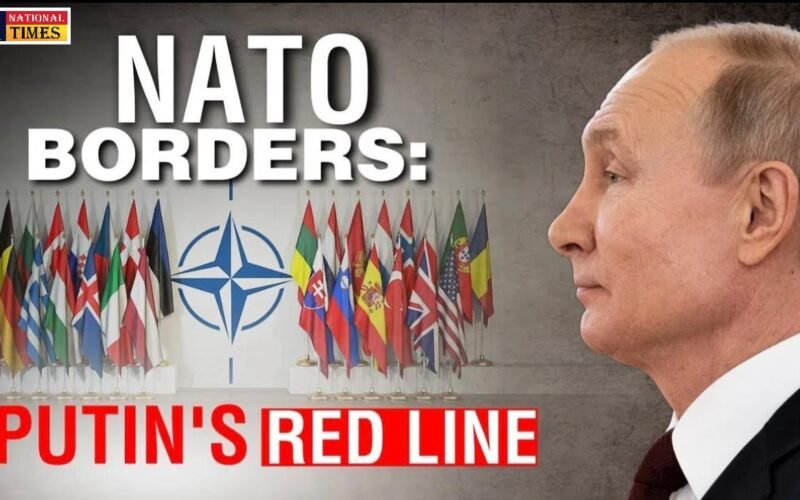
Kyiv/Moscow/Brussels (National Times Bureau): The conflict in Ukraine shows no signs of abating, as Russian President Vladimir Putin has declared that hostilities “will not stop now.” Ukrainian forces are grappling with operational challenges, NATO is increasing its support, and Europe faces mounting economic, security, and humanitarian pressures.
Ukrainian troops are experiencing manpower shortages, coordination issues, and limited operational cohesion at large-unit levels. Reforms aimed at shifting from brigade-level to corps-level command have yet to deliver full efficiency, leaving some frontline areas vulnerable. While NATO has not assumed direct combat command, advanced command-and-control systems are being integrated, including at the Joint NATO-Ukraine Analysis, Training and Education Center (JATEC) and the NATO Security Assistance and Training for Ukraine (NSATU) command in Germany.
NATO provides training, logistics, and equipment to Ukraine, emphasizing interoperability while respecting national command authority. The integration of NATO systems enables Ukraine to adopt alliance-style operational standards while maintaining national decision-making. Analysts caution that Ukraine’s reliance on NATO underscores both strategic partnership and challenges in achieving full operational independence.
President Putin emphasized that Russian military operations in Ukraine will continue “for as long as necessary,” signaling no immediate ceasefire. This statement coincides with intensified Russian offensives in eastern and southern Ukraine.
Europe faces rising energy costs, inflation, and social strain from millions of Ukrainian refugees. EU member states are debating the scale and pace of military and economic aid to Ukraine while balancing domestic stability. NATO has increased troop deployments and joint exercises in Eastern Europe to strengthen deterrence and reassure member nations.
NATO Secretary-General Jens Stoltenberg stated, “We remain committed to supporting Ukraine, but the ongoing conflict continues to challenge European security.” European Council President Charles Michel added, “The situation in Ukraine impacts all of Europe. We must act decisively to support Ukraine while safeguarding our societies and economies.”
With Putin vowing the war will continue, Ukraine faces an uphill struggle to stabilize its frontlines. NATO’s support is crucial for operational capability, while Europe must manage the humanitarian, economic, and security consequences of the ongoing conflict. The situation underscores the high stakes for Ukraine, NATO, and the broader European continent.
